By: Richard de Wilde, Founding Farmer at Harmony Valley Farm
At Harmony Valley Farm, we are dedicated to organic farming and believe strongly that it produces the highest quality, best tasting food while protecting the quality of our water and wildlife.
-Richard de Wilde, Founding Farmer
Editorial note: Harmony Valley Farm is a family-owned, diversified farm with over 40 years of experience producing high quality, organic vegetables and berries. The farm is located in an isolated valley in southwestern Wisconsin. Farmer Richard founded Harmony Valley Farm in 1985 and has been providing certified organic produce to Willy Street Co-op for close to 40 years. Richard grew up making hay and milking cows on a farm on the plains of South Dakota, while organic gardening with his mother and grandfathers, and later he became one of the pioneers of commercial organic farming in the Midwest. He was a trailblazer for integrating cover crops, making compost, and attracting beneficial insects, birds, and bats to his farm ecosystem. Farmer Richard welcomed the invitation from Willy Street Co-op to write this article and share what he believes is beneficial for its Owners to know about organic food and farming.
What is Organic Farming?
Organic is a label that indicates that a food or agricultural product has been produced and certified according to the USDA (United States Department of Agriculture) organic standards, which require farm operations to use practices that cycle resources, conserve biodiversity, and preserve ecological balance. The USDA’s National Organic Program develops and enforces the standards for organic crops, livestock, and agricultural products so consumers can feel confident purchasing organic goods.
The organic standards set specific requirements for different types of products and mandate a healthy functioning farm ecosystem. For produce and grains, organic farmers are required to use natural fertilizers, eco-friendly pest control, and practices that protect soil and water. For meat, dairy, and eggs, livestock must roam freely outdoors and no growth hormones or antibiotics can be used. Certified organic products must not contain GMOs (genetically modified organisms) or be grown from GMO seeds or plants. Certified organic products may not include artificial colors, flavors, or preservatives, and must be traceable from farm to store.
Organic Farming at Harmony Valley Farm
Organic Methods
All Harmony Valley Farm products are certified by the Midwest Organic Services Association (MOSA). Every year, independent organic inspectors that work for MOSA spend an entire day on our farm, where they inspect every field and complete extensive paperwork for our annual certification process. This is your assurance of high quality, nutrient-dense, flavorful food for consumers, produced in a system that does not compromise the farmers or the environment. Our silt loam fields are high in organic matter, humus, and biological life. To promote healthy, mineral-balanced soils, the fields receive green cover crops, and generous amounts of compost and rock powders, as needed, based on soil tests and plant leaf sap analysis.
Care for the Land and Human Health
As stewards of the land, our organic farming practices honor the sanctity of earth by fostering natural ecosystems, maintaining soil fertility, and minimizing environmental harm. As stewards of our bodies, organic eating nourishes our mind, body, and soul by guaranteeing quality produce free of synthetic pesticides, fertilizers, or genetically modified organisms.
 Farm Worker Health and Well Being
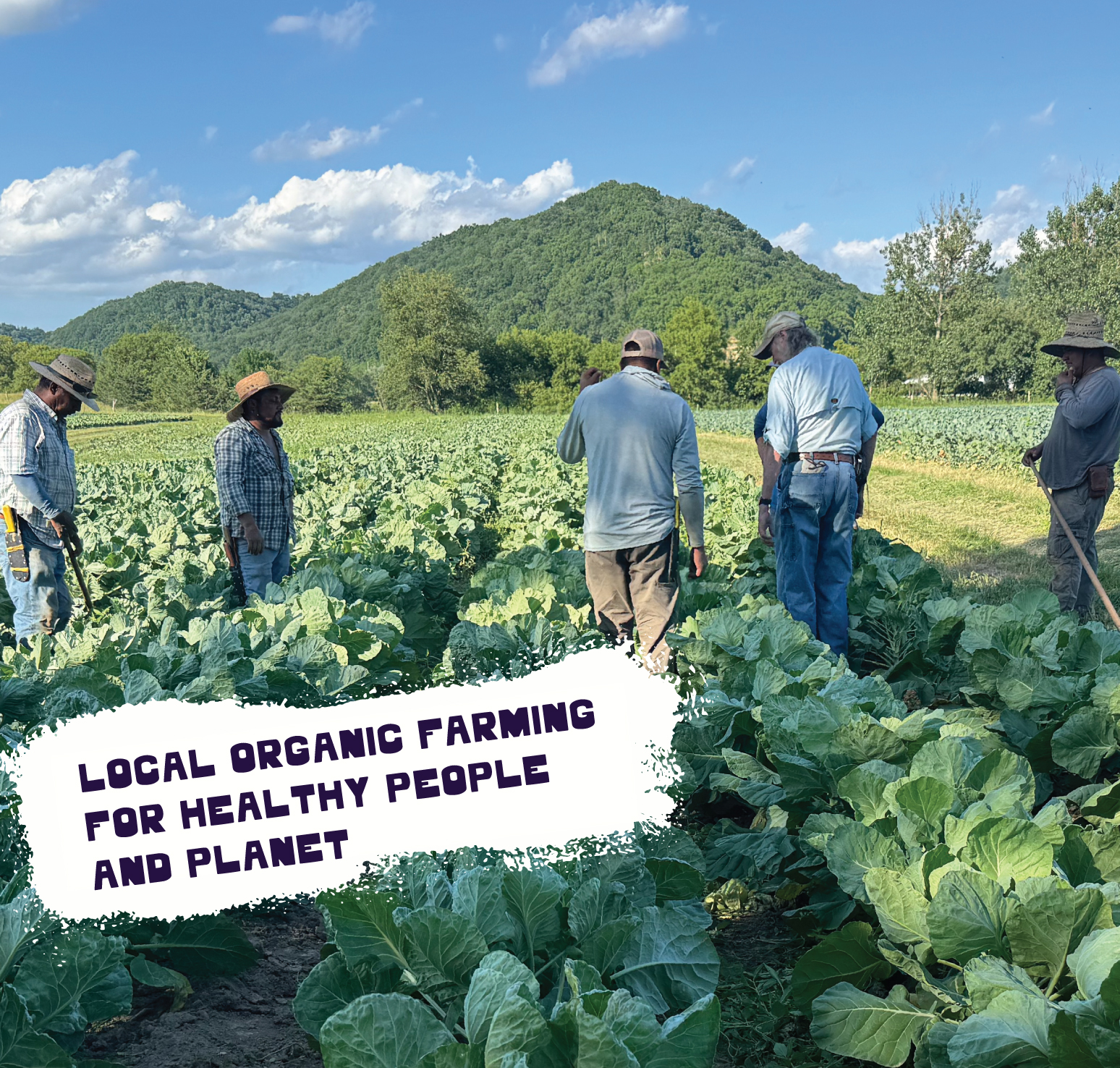
We are grateful for our skilled and dedicated crew members who work very hard to make this all happen. Your support of our farm allows us to pay a fair and living wage as well as offer benefits including health insurance and a retirement plan. Each person at Harmony Valley Farm brings their own unique skills and talents to the table and contributes in their own way toward our collective success. Most of our crew members have been working with us for 10-20 years and we could not do what we do without them! It is vitally important to all of us that our organic methods keep our farm workers and customers safe from the human health dangers of chemical insecticides and herbicides.
Regenerative Practices
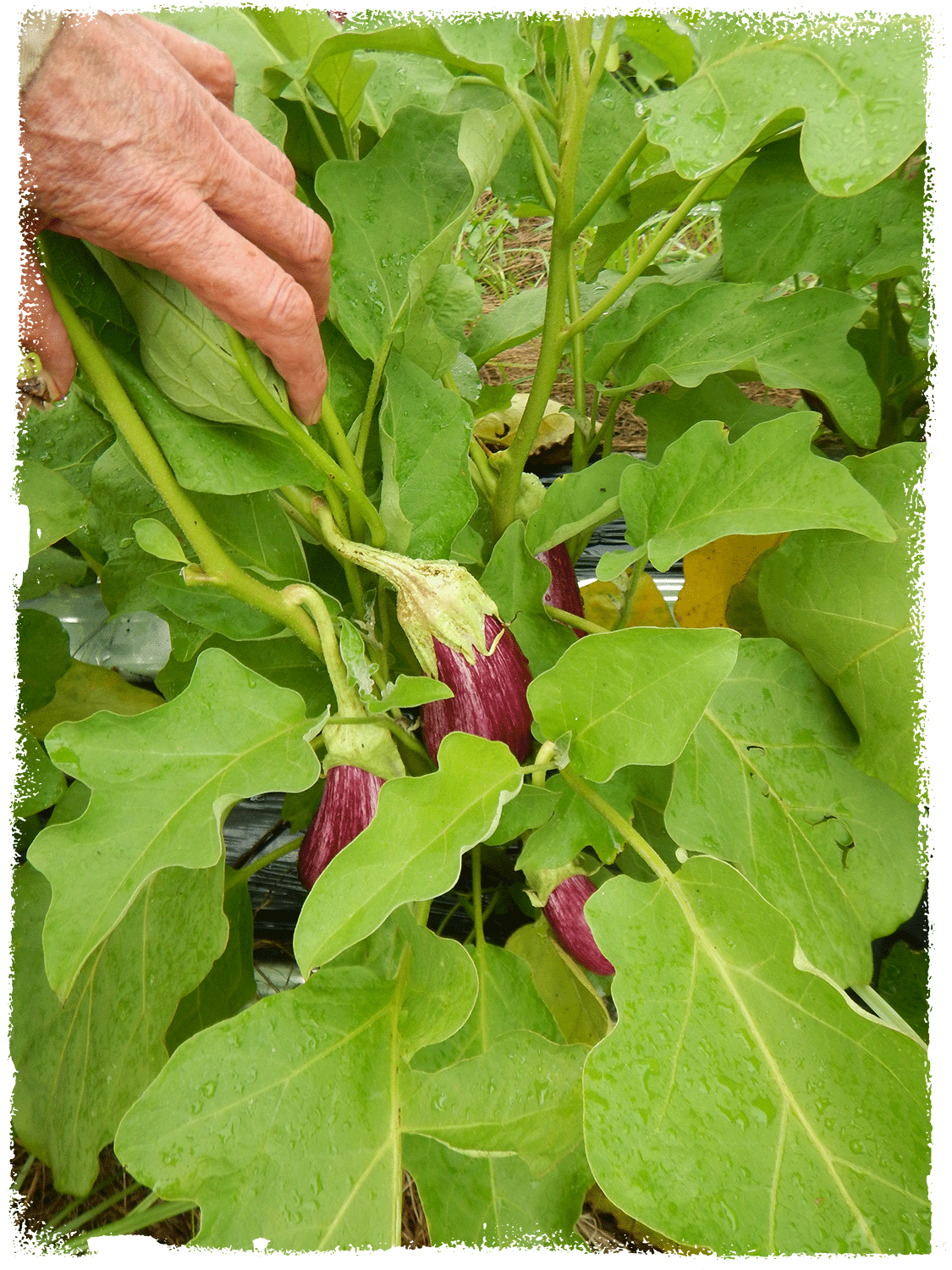
We are dedicated to growing the highest quality certified organic produce possible with experience as our guarantee. We’ve gone above and beyond organics, placing great value on soil fertility and on an integrated, healthy, natural growing environment. We utilize a complex system of cover cropping and applications of compost and minerals that result in vegetables and berries with exceptional flavor, color, and nutrition.
Soil Quality Makes Nutritious Food
I’ve always been intrigued by human nutrition. Realizing that human nutrition is directly related to plant nutrition, I am committed to do what it takes to grow healthy plants that are packed with nutrients. Cutting edge soil research has shown that a teaspoon of healthy, living soil contains thousands of microbes. Each plant interacts with and supports different soil microbes, so by adding diversity to the plantings you also increase the diversity of microbial communities. We are learning more and more about the benefits of these microbial communities, which are essential for increasing nutrient availability and uptake by crop plants in the soil, amongst many other benefits. These mutually supportive relationships are complex ways to increase nutrition to the crops and the people who eat these foods in terms of vitamins, minerals, antioxidants, etc. This high level of nutritional quality is only possible in living soils with high biodiversity. Recent scientific studies are also highlighting the positive relationships between healthy soil, healthy foods, and healthy gut microbiomes in humans that support our healthy immune systems.
Cover Crops
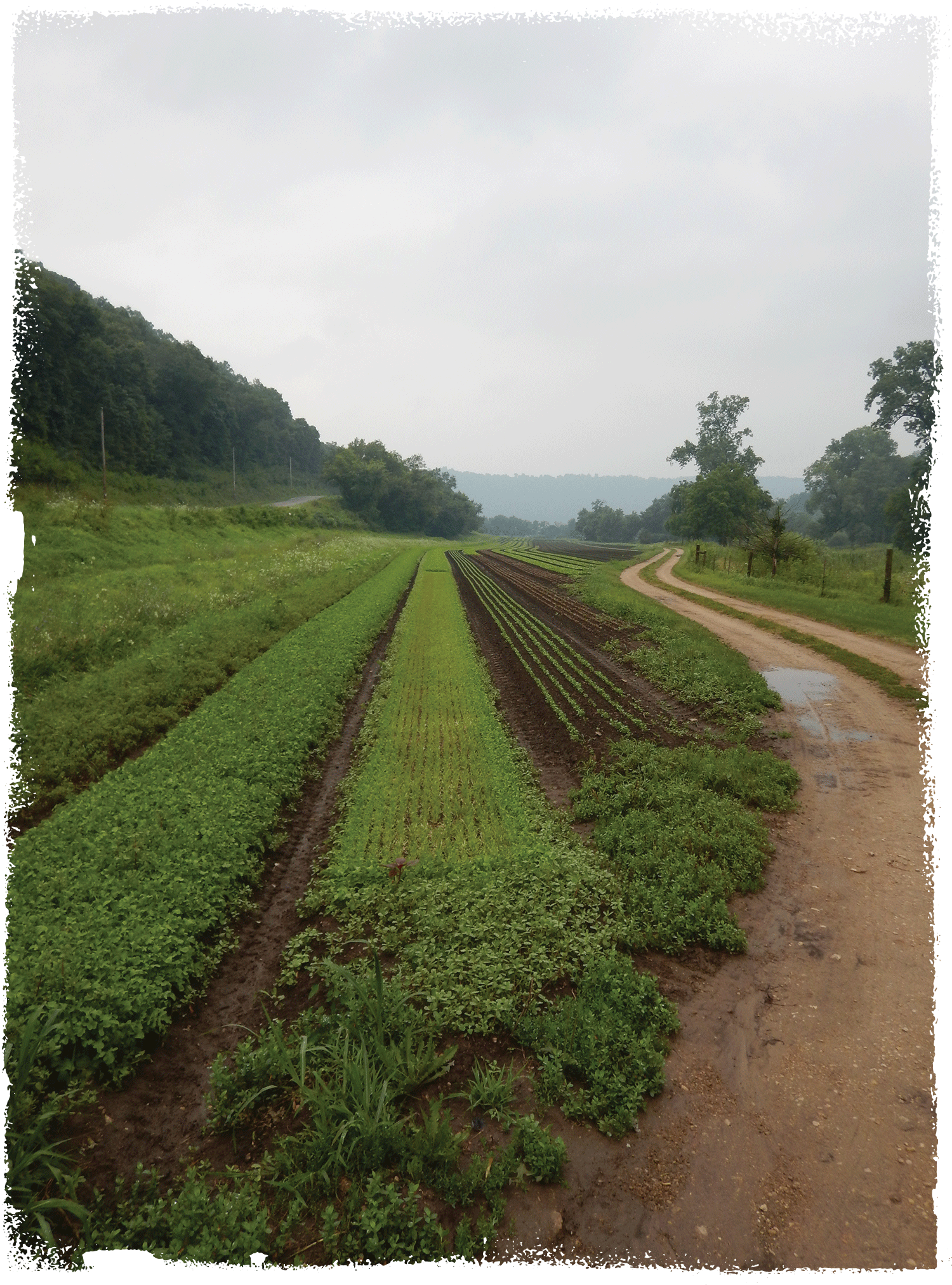
Cover crops are something we invest in very heavily and they contribute greatly to the health of our fields and crops. Cover crops are plants that we seed in between vegetable crops. We’ve known for many years that they help to prevent soil erosion and contribute significantly to soil fertility. We have expanded our cover cropping practice to add as much diversity of plants as possible. This is because of the relationship of those cover crop plants producing sugars in order to attract their own beneficial microbes. We plant 6-8 different cover crop species now to nourish a high diversity of microbes that then nourish the crop plants. Some cover crops are even planted under growing food crop plants, so that immediately after food harvest, the cover crops are already there ready to protect and nourish the soil until the next season. This works well with tall fall crops, like Brussels sprouts and kale, which end the season with white Dutch clover growing under the plants.
Farming for the Birds and Bees
We plant and maintain year round habitat that provides a place for songbirds, bats, bees, and beneficial insects to take up residence and become our partners in crop pest control. Farm livestock—including cows, goats, pigs, chickens, and ducks—are also an important part of our farm and help us maintain hillside pasture areas not suitable for vegetable production. The animals also help us by fertilizing the land which keeps the perennial pastures rich and flourishing and prevents erosion on the hillsides.
Birds, Bees and, Neonicotinoids
Neonicotinoid insecticides (neonics) are widely used as a seed treatment for conventional corn and soybeans. Neonic dust from planting those seeds drifts to wild plants and insects. When eaten by birds, bats, and other wildlife, the neonics accumulate in their bodies and cause harm. The affected wildlife then may not have enough energy to feed their young and may experience other side-effects. Neonics also leach off the seed coatings and enter waterways at harmful levels, giving a dose of insecticide to aquatic macroinvertebrates that are then also eaten and accumulated by fish, birds, bats, and other living beings.
Researchers have discovered that pollinators can be killed when neonics enter the ecosystem. The European Union has banned the use of neonicotinoids due to their high risk for birds, bees, and other pollinators. Neonics, along with all synthetic pesticides, are not allowed in certified organic farming systems. Consumers can help protect pollinators and other wildlife by purchasing organic foods and also by not buying neonic-treated garden/flower plants in greenhouses.
Harmony Valley Farm organic practices do not allow any neonics. The farm ecosystem needs healthy populations of beneficial insect predators as allies against crop pests. So we are impacted by losses of crop insect predators due to neonics used in the area. Every year, we monitor all of our bird houses and feeders. For example, we have maintained 20 bluebird houses over the years, and this year, we have only seen one bluebird. Our bird populations are down over 50% over the past five years. We have also noticed less mosquito control on the farm with decreased populations of bats and birds. This alarming decrease in wildlife is likely due to neonic usage and related practices in chemically intensive industrial farming.
Conventional Agriculture Context
Currently, nearly 70% of the American diet includes ultraprocessed food. Conventional agriculture and food systems that produce this processed food rely on insecticides like neonics and herbicides like glyphosate. Glyphosate works to control weeds by interrupting nutrient pathways in the weed plants. In those same ways, glyphosate also impacts nutrition in the food crop plants, and thus our nutrition and our overall health. Neonics threaten the health of birds, bats, amphibians, and pollinators, all of which are critical to our environmental biodiversity. These pesticides were developed to grow surplus quantities of GMO (genetically modified) corn crops to produce corn syrup, ethanol, and livestock feed. Through current trade agreements, some of this conventional corn is being forced upon our Mexican neighbors. They have completed numerous studies that show human health effects from consuming GMO corn and they do not want it. Organic certification does not allow GMOs in any way.
Migrant Workers
Our farm advertises both nationally and internationally for 45 workers to come join our crew. We offer a competitive wage of $18.15 an hour and even provide free housing. Yet, we receive almost no domestic job applicants, and that is why for the last 25 years, our farm has relied on the help of H-2A workers from Mexico. Over the years, we have built a stellar crew of extremely dependable, capable, and hard-working people on which our farm depends. Some of our crew members have been coming back to work at Harmony Valley Farm for 20-25 years, and we are proud to have three generations working at the farm. It very much feels like one big extended family that enjoys working together and that also enjoys each other’s company after all the work is done for the day.
Several years ago I started contemplating what would happen to the farm when I was ready to retire. After all my years dedicated to organic farming, I want to see the farm carry on. I couldn’t envision my life’s work ending with a farm auction, so I started the process of shifting the farm to an LLC, which would allow for an easy process of bringing on additional business partners. Now Harmony Valley Farm is owned jointly between me, my son Ari de Wilde, and our newest partner Rafael Morales. Rafael started working at the farm via the H-2A visa program in 2009 and has been there ever since. He stood out to me as the crew member who learned the fastest, could fill any role on the farm, and had a genuine interest to learn more. I have now sponsored Rafael and his family for permanent residency visas. Rafael has been a resident for about five years and his wife and children have been residents for three years. They have become part of the community, with their kids enrolled in local public schools and their eldest daughter at UW-La Crosse studying business administration. Rafael’s two oldest children are very motivated and are spending summers working on the farm. They are preparing to come back to the farm after college to be actively farming right alongside their father. Overall, Rafael’s partnership ensures another generation will carry on the mission of Harmony Valley Farm.
 Your Support of Organic Food Helps Human and Ecological Health
As we look to the future of our food systems, we encourage you to continue to learn more about what you eat, where your food comes from, and the impact your food system has on the environment and your health. Is organic worth the extra efforts we put into our farm and in turn, your cost for certified organic food? What is your health worth? What is the health of our planet worth? We hope that after reading about our organic farming practices, that you see the many values of supporting a biodiverse farm ecosystem that grows healthy crops to provide superior, nutrient-dense food for your family.
Healthy organic food can serve as preventative medicine and could save you health care costs in the future. Organic farming also increases biodiversity and protects ecosystem health. Your food decisions to buy and eat organic food or industrial food system products have a big impact. You are a key part of the success of organic food and farming. Luckily, at Willy Street Co-op, you have many choices to purchase high quality, certified organic foods from organic farming systems that support a healthy environment for people and the planet.
If you would like to dive deeper into these issues, farmer poet Wendell Berry provides valuable insights about farming and nature in this video: https://youtu.be/Zpqusj9LhPI?si=zlCEgskirH4c1sdW. Also, Dr. Zach Bush offers more food for thought on the relationships between farming and human and environmental health in this video: https://youtu.be/Aw16LPVnNco.
I believe that ultimately, as customers, the choices we all make for food and energy dictate the production system of the future. Our choices will protect the continuation of life as we know it or increase the chances of possible extinction of life on our planet.
Harmony Valley Farm welcomes you to learn more about our farm at our website: www.harmonyvalleyfarm.com. We provide farm updates and many recipes to prepare the Harmony Valley organic produce that you find at Willy Street Co-op.