By: Katy Wallace, ND
It seems like protein is being added to more and more foods these days, from beverages to cereals to snacks. We all know that we need protein, but how much do we need and does it matter how we get it? We asked Katy Wallace, ND, these and other questions.
What is protein and why does it matter?
The word protein is derived from the Greek word proteios, meaning “of the first rank,” or “of prime importance.” Proteins are of vital importance in the human body because they function in every body system. They work as structural components (think of bones, teeth, joints, and healthy hair, skin, and nails), enzymes, and transporters (helping us respond to stress, absorb and move nutrients around, and repair damaged cells and tissues). Proteins are the basis for neurotransmitters and hormones, so they play a big role in mood and cognitive health. They also are made into antibodies and support the immune system.
Protein is something we must eat as the body does not manufacture it. If we don’t eat enough protein, we can survive in the short term, but we deplete our body’s protein stores in the skeletal muscles which ultimately causes health problems. Protein is an important part of the traditional “balanced” meal with carbs and fats to help sustain energy throughout the day. Protein supports satiety or feeling full after a meal. Because of protein’s comprehensive support of the body systems, including blood sugar control, it keeps inflammation at bay in the body and helps with maintaining health and preventing disease. Basically, without protein, you wouldn’t be able to grow, and you wouldn’t be able to heal.
How does our body use it?
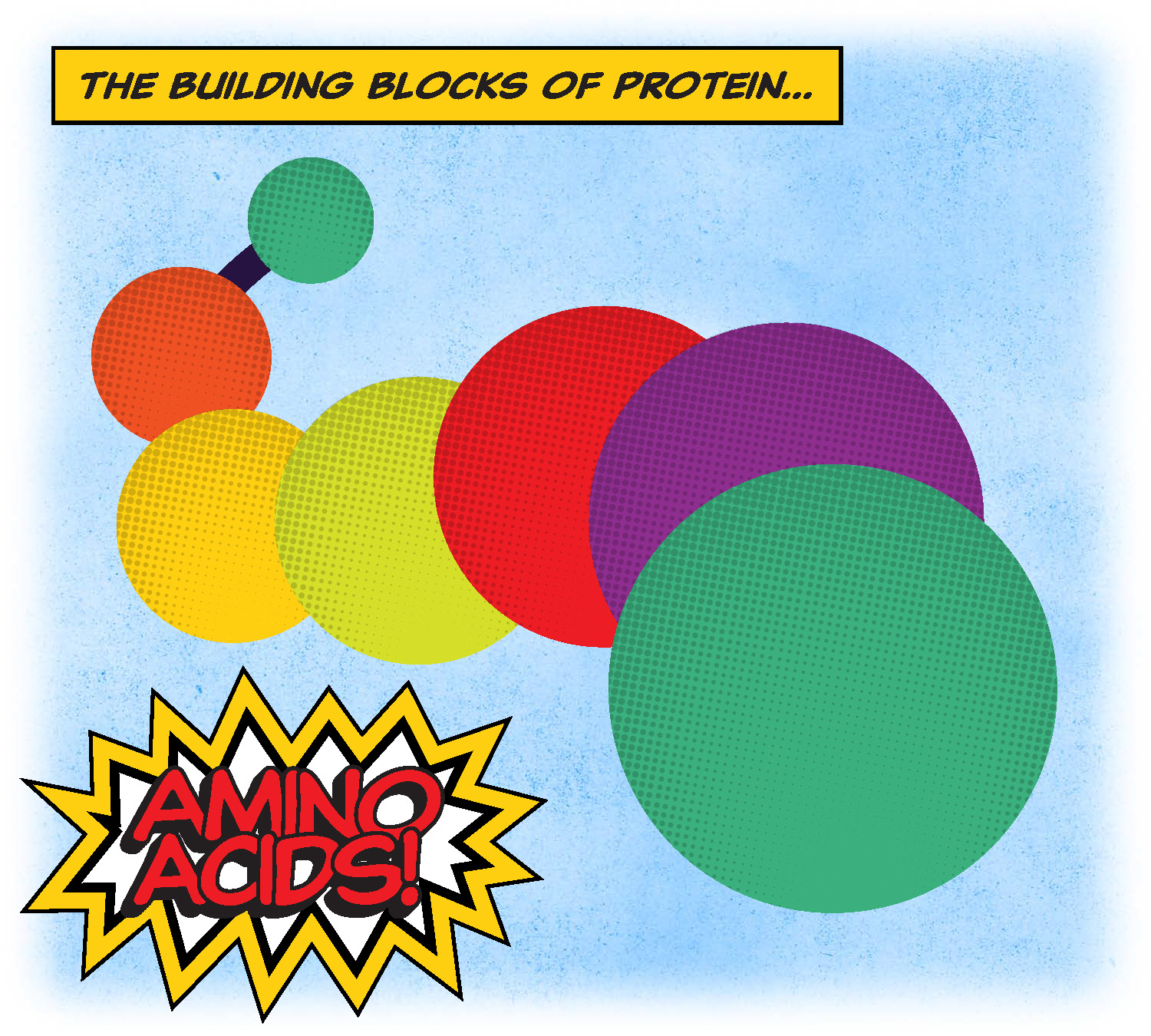
Our body digests the protein that we eat in foods. It breaks protein down into amino acids and then they get absorbed into the bloodstream and used in various processes. Digesting protein takes longer than it does for carbohydrates and that’s one of the reasons why protein is helpful. It keeps our blood sugar stable and reduces the spikes and falls. This in turn helps keep insulin levels in a healthy range which keeps inflammation better controlled. This helps reduce snacking and boosts the metabolic rate of the body.
What are the different sources that people get protein from?
People can get protein from a wide range of foods including fish, seafood, poultry, meat, and eggs. Some legumes like lentils, mung beans, and soybeans are especially high in protein. Protein can also be more concentrated in dairy such as cottage cheese and Greek yogurt. Some plant foods are high in protein, like spirulina and chlorella, almonds, and even Brussels sprouts and broccoli, though these levels are lower than those found in animal foods.
How much do we need?
The Mayo Clinic says that you should eat 10%-35% of your calories from protein, and that’s a pretty big range. The American Heart Association’s general suggestion is 0.8 grams per kilogram of body weight for the average adult. So, for an adult who weighs 150 pounds, that is about 55 grams per day. Once someone is over the age of 40 or 50, sarcopenia, or muscle loss, starts to kick in so the general protein requirement jumps up to 80 grams daily. Children, and pregnant and lactating women have higher protein requirements. As a naturopathic doctor, I find most clients feel best when they eat a minimum of 80-90 grams of protein daily, especially if they are active.
For those focused on building muscle, the daily protein need gets even higher like 150 grams daily for a 150-pound person, which would get someone closer to 35% of their calories from protein. For those looking to lose fat, I typically suggest they get about a third of calories from protein, too. This supports healthy metabolism while in a calorie deficit. Though fat loss can be beneficial, you don’t want to slow your metabolism down and lose muscle in the process because that makes it harder to recover metabolically from the fat loss phase. Eating adequate protein protects oneself from these processes.
At the individual level, you can figure out how you are doing by getting your protein blood level checked (an optimal level is 6.9-8.0) in a comprehensive metabolic panel. If your protein level is below this range, you might talk with a functional medicine practitioner like me about ways to eat and also digest more protein. You can also keep tabs on how you are doing by logging food intake on an app on your smartphone. Many apps today allow for easy entry of the food and portion size and then will tell you at the end of the day what percentage of your calories came from protein and how many grams you ate. This can help you to keep track of what levels make you feel best. It will be most accurate if you use a kitchen scale to weigh protein.
 Why is it a buzzword now?
Protein is more popular now for many reasons. I think a big reason is the increase in consciousness around strength training in recent years, especially with women. A lot of the buzz is attributed to fitness influencers who talk about protein through social media. Protein can play a big role in weight management and muscle gain. Plus, protein is the most satiating macro-nutrient according to a review of studies published by researchers in the Netherlands, and this is especially true for women as shown by a preliminary study. Its satiating nature, plus the benefits for helping people to become and stay lean, make it attractive for those focused on weight management.
Also, as the U.S. population becomes increasingly older, there is rising interest in nutrient-dense foods for wellness and longevity. Protein supports mitochondrial health, too, which is at the forefront in research about chronic disease and how to address it. A study out of Duke University showed that muscle cells are anti-inflammatory and part of this has to do with their mitochondrial activity. Therefore, by eating more protein and building muscle through strength training, a person can enhance the anti-inflammatory processes in the body through increasing mitochondrial activity.
In the field of functional medicine, protein is emphasized in dietary recommendations because it is fundamental to better blood sugar balance which helps with managing and preventing chronic disease. Blood sugar balance is also fundamental to balancing hormones, fostering a healthy mood, and reducing chronic pain. As people pay more attention to all aspects of wellness, protein is in the forefront of dietary approaches.
Does it matter how/when we eat protein?
There is a circadian rhythm to how food is digested in the body, which means that our digestive system has an internal clock for its activities. According to Traditional Chinese Medicine, our digestive systems typically handle protein best earlier in the day when digestive secretions are strongest. This idea is supported by modern researchers such as Satchidananda Panda, PhD, who found that avoiding high protein meals late at night improves digestive wellness and reduces symptoms of acid reflux. This goes against most people’s norms, which is to focus on protein at supper but perhaps neglect it earlier in the day. Instead, most people would benefit from more of their protein at breakfast and lunch. It’s good to have it at the evening meal, too, but it’s important to leave enough time for digestion before bed.
It’s also good to spread protein throughout the day. Researchers have found that timing does matter. A study published in 2014 in the Journal of Nutrition found that athletic performance of individuals was better when they ate protein throughout the whole day instead of just focusing on it in the evening meal. Eating protein throughout the day is generally thought to improve blood sugar control better as well.
In terms of how we eat protein, I’m of the opinion that eating the whole food is best. However, protein powders, like collagen, can be very helpful for those who struggle with eating enough protein or those who are trying to maximize their intake. Beware that for some individuals, eating an excess of processed protein powders could lead to negative health outcomes and stress the kidneys. One or two servings of protein powder daily are okay for most people but any more than this should be reviewed by a health professional. This is because an isolated protein powder can put more stress on the body than a whole food would.
Some people have problems with bloating from protein powders, so it’s worth sampling different ones to see what works best for you. I find collagen powder is typically well-tolerated and serves as a good source of protein, too, in addition to its benefits for hair, skin, and nails.
To digest protein easily, one needs to have strong digestive secretions. Some people prefer to focus on fish or poultry as they can be easier to digest than red meats, for example. If a person feels like protein sits in the stomach like a brick, that is likely the sign they would benefit from a digestive supplement. I encourage people to take a supplement when needed because eating protein is critical to health. I would rather see someone do this than cut more food out of their diet, if possible. There is a wide range of supplements to help protein digestion, but good ones to start with are a digestive enzyme capsule or a tablespoon of apple cider vinegar in a little water with the meal.
If you’re choosing processed proteins like those in a shake, a bar, or nut butter, be sure to watch for added sugars. Read the label to see how much protein you’re getting. I look for Protein = 10 grams in a snack like a meat stick or a couple of hard-boiled eggs, for example, and 30-45 grams in a meal such as in a can of tuna or a generous meat portion. For blood sugar balance, look for at least a 1:1 ratio of protein to carbs. So, if there’s 10 grams of carbs in the food, I want there to also be 10 grams of protein. I don’t want to have more carbohydrates in my food than proteins, in general, because too many carbohydrates may cause blood sugar to swing.
What extra considerations are there for those with dietary restrictions?
It is sometimes challenging for vegans and vegetarians to get enough protein. Even with the most conscientious eater, I recommend testing bloodwork to make sure nutrition levels are good because absorption varies from person to person. People who avoid animal proteins, particularly red meat over the long term, may not get enough iron and B vitamins. Red meat is one of the best food sources for iron, and B12. These nutrients are not as plentiful in poultry, fish, or vegetarian sources of protein. Testing is not just important for vegans or vegetarians, but for anyone with dietary restrictions, a history of health issues, or a desire to optimize their health.
Ferritin is a blood test of iron stores and can be helpful. A homocysteine test can help identify the need for folate, B12, and B6. When I work with people, I am looking to optimize these levels, and I use what are called “functional ranges” instead of standard medical ranges. Functional ranges can identify ways to optimize nutrition that might normally go undetected.
For those who prefer not to eat meat, I encourage them to eat high- quality dairy, eggs, and legumes like mung beans and lentils at each meal to get all the benefits protein has to offer. If someone is looking for protein from legumes, be sure to look at the protein content of the different types as most do not have the high levels found in mung and lentils, for example. Additional vegan protein options with relatively lower levels of carbohydrates include hemp seeds, almonds, tempeh, lupini beans, and spirulina.
 What questions about protein do you often get?
Some people ask me about the ill effects of animal protein on one’s cholesterol levels and risk for heart disease. Higher consumption of red meat is thought in our culture to contribute to heart disease and cancer. However, the most rigorous comprehensive reviews of the studies on red meat published in the Annals of Internal Medicine in 2019 have shown there is little high-quality evidence supporting the notion that red meat is bad for health.
I often get questions about how a person can get more protein during the day. Since people’s dietary preferences vary, I encourage people to schedule one of the Co-op’s Individual Nutrition Consultations with me where we can come up with a personal plan. In general, starting off the day with a protein-rich meal like eggs is a good start. An egg bake can be made in advance and reheated for those that don’t like to cook every morning. Or, if they’re on the go, a no-sugar protein shake can be helpful.
For snacks before and after a workout, cottage cheese or Greek yogurt can help. A plain collagen powder can be added to boost protein counts. Hard-boiled eggs, sustainable meat sticks, chlorella, or spirulina also make great snacks.
For lunch, an easy option can be tuna or chicken salad or sliced deli meats in a lettuce wrap.
For meals, I encourage people to have a palm-size serving of animal proteins and lentil or mung bean soups. Making use of a crockpot to slow-cook foods can help save time and energy in the cooking process and make meals easier to digest.
I often get asked about how to stop eating sugar and one tip is to eat more protein. If someone is getting adequate protein and other nutrient-dense food throughout the day, it helps significantly with cutting down cravings for sugar. Stress hormones like cortisol, when too high, can lead to sugar cravings, also. Protein is critical for balancing cortisol levels. Eating protein every 3-4 hours throughout the day helps reduce the highs and lows of cortisol and helps cut sugar cravings.
How are you talking about protein in your classes or incorporating it into your lifestyle?
I authored a book, The Body Tune-up, which serves as a guide to undertake a therapeutic food upgrade to reduce inflammation and overcome various health issues. Protein was traditionally thought to be “hard” on the elimination organs and taboo for food-based cleanses or elimination diets. When I started my work in this field twenty years ago, I initially learned from mentors that protein was to be avoided in the short term and added later. However, over time I learned that many clients did better with protein while cleansing and I adapted the food-based protocols. Now, there are research studies showing that higher levels of protein are beneficial for the digestive system and gut biome, as well as other organs doing the “heavy lifting” of detoxification like the kidneys and liver.
When working with clients on supporting thyroid health and balancing sexual hormones, I emphasize protein because the endocrine system relies on adequate protein to provide raw nutrients for hormone production.
Protein is very important for bone health as bones are made of protein. So in those discussions, I encourage people to focus on protein at each meal while reducing the foods like sugar that deplete minerals needed for bones.
For reducing inflammation in the body in a variety of contexts, protein is essential. To reduce inflammation, you must reduce insulin and one of the easiest ways to reduce insulin is to eat more protein because it balances blood sugar and increases one’s sense of fullness therefore leading to less snacking and sugar cravings.
Personally, I eat more protein than the average person, but I didn’t always eat this way. During my pregnancies I realized I needed to eat a lot more animal protein to stay healthy. Now as a woman in my late 40s, that protein legacy is important to me for sustained energy and strength throughout the day.
Katy Wallace, ND, is a licensed Naturopathic Doctor and author of the book The Body Tune-up. She practices in Madison Wisconsin with Human Nature, LLC www.humannaturellc.com. She provides monthly lectures to the Willy Street Co-op as well as Individual Nutrition Consultations at the Co-op’s West location, Aubergine, and via Zoom.