By: Liz Hawley, Education and Outreach Coordinator
With the New Year comes the new cycle of Community Reinvestment Fund (CRF) grant applications, decisions, and awards—an exciting time of year! Before we dive into the 2026 grant cycle, I’d like to share a report on the progress made by recipient organizations last year with the funds awarded to them through the Co-op’s grant program.
Grants provide for local endeavors that are innovative, hands-on, and educational, impact a large group of people, reach out to underserved populations, create jobs or develop skills, foster social engagement, and offer opportunities for diversifying partnerships, collaboration, and entrepreneurialism.
All organizations that receive awards provide progress reports to the Co-op about their funded projects. Here are the stories we received this past year.
Bikes for Kids Wisconsin
Bikes for Kids Wisconsin’s Bike to Work program addresses a critical barrier to employment and food access—transportation. Grant funding provided 50 individuals with reliable bicycles, safety gear, maintenance training, and one year of free service support. Here is one story their team shared from the field: “A participant referred through JustDane shared that before receiving a bike, he spent over an hour each way walking to work. With his new bike, he now saves that time to pick up groceries for his family and attend evening classes.”
Courageous Journeys Backpacking
This organization supports female veterans through nature-based therapy, and they embarked on their first guided backpacking trip this past summer. They reported that the trip fulfilled all of its intended outcomes—building community, providing supportive environments, and creating space for reflection through this shared experience. One participant noted that the backpacking trip “was one of the most powerful and grounding experiences of my life. [The organizers] created a space that felt both adventurous and healing—a rare and beautiful experience.”
The Creator’s Cottage
The Creator’s Cottage is a maker space in Madison serving the educational and career development needs of women artists. Their mission is to “transform the lives of women, children, and families of color through social action theatre, literary, and creative arts.” CRF grant funding helped them launch a monthly newsletter, which in turn has had a positive impact on their participation numbers and increased their community involvement.
DANEnet, Inc.
DANEnet’s “Calming Computer Jitters” class provides professional digital skills instruction to a group of Black elders at Mt. Zion Baptist Church (MTZ). On average, 38 elders attend each class, learning skills such as password safety, accessing online resources (e.g., MyChart and Madison Public Library), and using FaceTime and Zoom. DANEnet staff said, “As we continue to address issues of inequality created by the digital divide, we hope to cultivate and create more partnerships with organizations like MTZ to create strong community-centered learning spaces.”
Eastmorland Community Center
Eastmorland Community Center serves approximately 40 families per month, and with grant funding, they purchased additional produce from Lansing Street Veggies and Los Jalapeños CSA. Jennica Skoug of Lansing Street Veggies said, “The program has been very helpful and meaningful for me as a farmer, because I am able to utilize more of the produce that I grow. I would likely donate some of the extras anyway, but it is amazing, in a low-margin business (especially for me as a very tiny farm) to make some income from this produce. It helps a lot, and I’m glad it helps the community too.”
Elver Park Neighborhood Center
The neighborhood center staff successfully met their goal to serve a daily hot, nutritious meal to the 78 kids participating in the summer camp program. The staff noted, “We’re proud to have delivered healthy, hot meals every day. The meals nourished more than just kids; they helped feed relationships, trust, and community.”
Eyes of Hope, Stoughton
The Hope Grows initiative engaged youth in hands-on gardening, harvesting, and salsa-making at the Lowell Park Community Garden in Stoughton. The Eyes of Hope staff said, “The season was full of spontaneous opportunities to connect with friends who were visiting the park.”
Friends of Schumacher Farm
Grant funding allowed the Friends of Schumacher Farm to increase their heirloom garden from 254 square feet to 4,354 square feet, which in turn translated to a great increase in the amount of food they provided to the food pantry. And while their goal was to involve 1,000 school children in garden-related programming, they ended up involving more than 2,500 children! They stated, “The gardens are managed entirely by volunteers. We welcome either individual volunteers interested in helping on a regular basis with a team of other garden volunteers, or a group of volunteers interested in a one-time project.”
Kennedy Heights Community Center (KHCC)
KHCC’s Food Equity Program was designed to help cover the ongoing costs of staple items, primarily milk and eggs, in their weekly food pantry, to sustain consistent access to more than 100 households, and to help offset funding cuts. The grant funding provided milk and eggs as a one-time emergency response when these staple items became difficult to secure.
LOV Inc.
LOV Inc.’s Mind & Body Wellness for Adults with Disabilities project introduced wellness activities that are accessible, fun, and beneficial. These activities included adaptive fitness, bird watching, and art. The interest has been steady, and LOV Inc. plans to increase the variety of activities with yoga and dance classes.
Lussier Community Education Center (LCEC)
LCEC launched a weekly senior meal program to address both food insecurity and social isolation. LCEC staff mentioned, “The seniors who attend regularly have become a support system for one another. What is especially meaningful about this is that they do not all speak the same language. We have older adults who speak Spanish, French, English, and Arabic—yet they all converse together.” Community members who would like to volunteer to support the Senior Lunch can email Hannah at Hannah@lcecmadison.org.
MadWorC
Madison Workers’ Cooperative received funding for language translation, allowing them to connect with and foster the growth of Spanish-speaking worker cooperatives in the Madison area, as well as help develop Spanish-language materials for their Peer Network.
Midwest Linen Revival
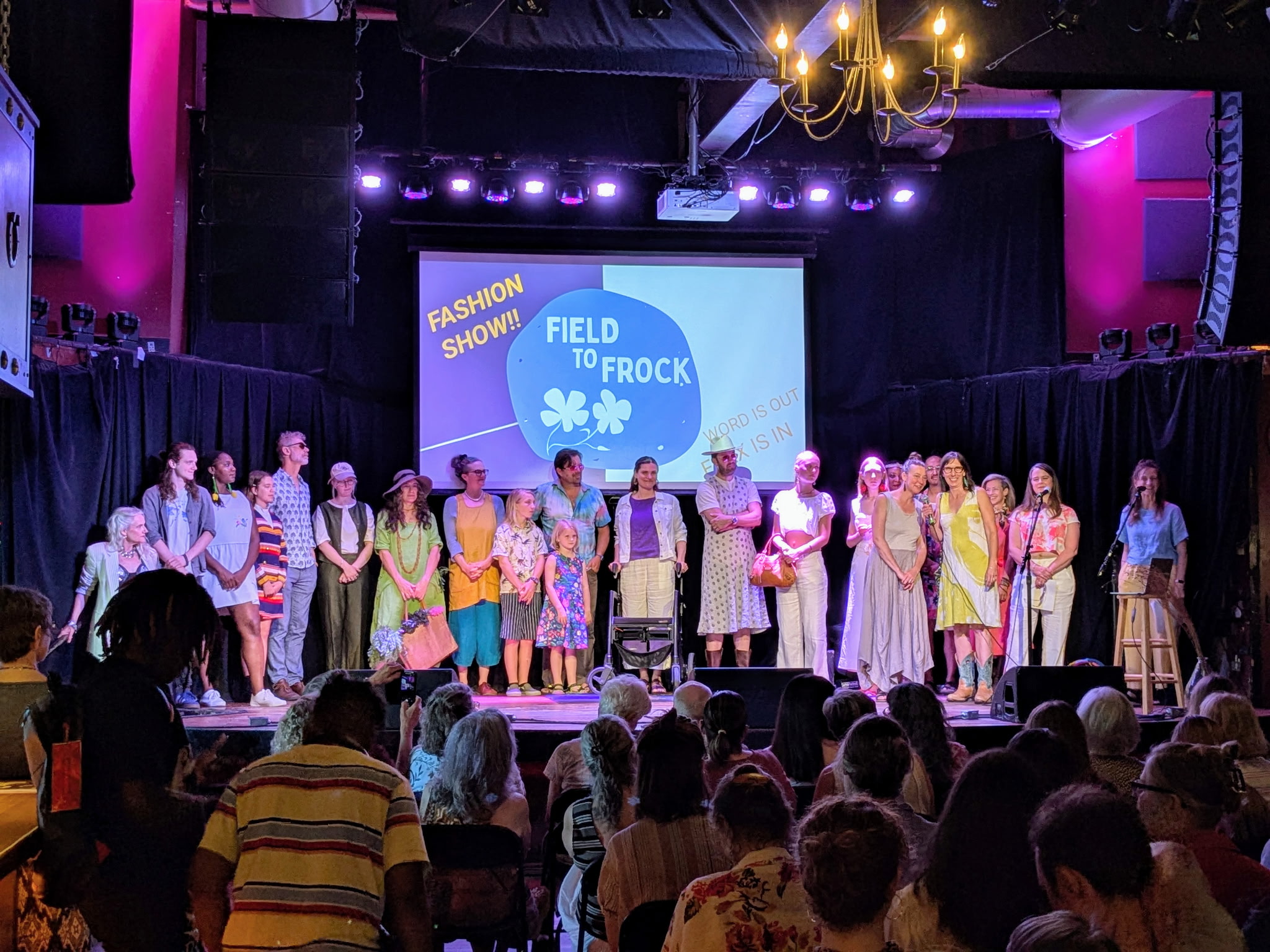
Midwest Linen Revival (MLR) was founded to provide access to locally and sustainably grown flax and processed linen. Their inaugural Field to Frock festival celebrated local fiber and slow fashion. The interest and response to the festival showed a strong interest in the local fibershed!
OPEN Foundation
Grant funding supported the creation of interactive, affirming spaces at OPEN Foundation’s LGBTQIA+ Career Summit. The event connected LGBTQIA+ individuals with inclusive job opportunities while creating a space for healing, joy, and professional empowerment. They reported, “One participant told us they had never attended a career fair before because they feared judgment. At our event, they connected with an employer, tried on a suit from the gender-affirming clothing closet, and said they ‘felt so much more confident in the room.’”
Madison Area Food Pantry Gardens (MAFPG)
MAFPG concluded its 25th season of growing and gleaning produce to support food pantries throughout Dane County. Grant funding enabled them to construct a greenhouse, which will extend their growing season. The greenhouse will be used for plant propagation nine months of the year, and in addition, it provides space to cure fall produce, as well as space to host volunteers in rainy or muddy conditions.
Madison Northside Planning Council
Madison Northside Planning Council operates FEED Kitchens, a shared-use commercial kitchen/food business incubator. Grant funding allowed them to purchase heavy-duty rack storage, storage rack security enclosures, Vulcan stock pot ranges, and utility carts. Staff noted, “None of these items are particularly glamorous, but they are essential nuts and bolts items that make for a well-functioning kitchen. With 90+ entrepreneurs and community groups calling FEED Kitchens home, equipment and resources that help maintain a smooth flow through the facility are worth their weight in gold to us.”
Rooted
Rooted reported that they are extremely pleased with the outcomes of their project to bring electricity to their greenhouse! The electricity helped not only the function of the greenhouse for the farmers they support, but also enhanced the success of their fundraising efforts. This infrastructure allowed them to host local bands, keep pizzas warm in the electrical warming stations for Pizza Nights, and provide opportunities for on-site cooking and lighting for evening events.
Thank you!
Each year, we look forward to reading about the innovative projects our local nonprofits propose, and hearing about the successes when projects come to fruition is even more inspiring! For us, another grant cycle has come to a close, but the work of these nonprofits never ends. Thank you to all these organizations for the impactful work you do for the communities you serve! Thanks, also, to the Owners who have left the Co-op and opted to donate their equity to charitable purposes—this funding is possible because of your generosity—thank you! In April we’ll share the 2026 grant recipients.