by Liz Hawley, Education & Outreach Coordinator
Since its inception in 1992, Willy Street Co-op’s Community Reinvestment Fund (CRF) has contributed $756,500 to local nonprofits and cooperatives to support developmental and educational projects for our community. The fund is seeded when Owners who have become inactive and have not claimed their equity after three years either abandon or donate their Owner equity to our Co-op for charitable purposes.
Grants from the CRF may be awarded to innovative, educational, and/or entrepreneurial endeavors that impact a large group of people, reach out to underserved populations, create jobs or develop skills, foster social engagement, and offer opportunities for diversifying partnerships and collaboration. Areas of funding include food justice or access, sustainable agriculture, health and well-being, or social change. This fiscal year, the Board allocated $65,000 for this competitive grant fund, and we received 48 total applications requesting $246,143 in funding.
We also accepted applications for Rooted In Our Community, which awards grants for larger capital purchases and investments that support our local, sustainable food system. The Board allocated $20,000 for the 2026 grant cycle, and we received eight applications totaling $46,218.
The grant review committee is pleased to share the 18 projects receiving funding this year (15 funded through CRF, and three funded through RIOC).
Community Reinvestment Fund Award Recipients
Bayview Foundation: Cook Employment Training, $3,000
For more than 55 years, Bayview has provided safe, affordable housing and services to low-income families in Madison’s Triangle Neighborhood. After recent renovations, their new community center opened in 2024 with a fully licensed commercial kitchen, and community meals have been a key component in bringing people together. These meals are prepared by a long-time resident, and this year, Bayview plans to open up paid opportunities for more residents to gain professional cooking experience and share their culture through these community meals. The Cook Employment Training project will allow interested residents to earn ServSafe Food Handler Certification, develop skills in large-scale cooking and project management, and receive a stipend to become a Bayview guest cook. Additionally, those interested in pursuing a career in food service will have Bayview as a professional reference.
CRF funding is for guest cook training hours, cooking hours, ServSafe certification fees, and ingredients.
EOTO: BYAYA! (Black Youth & Young Adults) Empowerment Framework, $4,500
EOTO, Culturally Rooted is a community-based initiative founded to support Black youth, adults, and families through culturally rooted mentoring, leadership development, and healing-centered programming. The organization developed in response to gaps in traditional systems, particularly for Black males and system-impacted youth, and it has grown through partnerships with local schools, community organizations, and public agencies in Dane County. This year, EOTO will embark on Entrepreneur and Employment Pathways through mentor-supported, youth-led, food-based employment experiences. The project will provide Black youth and young adults with paid, hands-on learning opportunities that combine food justice education, workforce readiness, and cooperative economic principles. Participants will earn ServSafe Food Handler certification, customer service training, and participate in pop-up food stands at community events.
CRF funding is for youth paid internship stipends, facilitator and mentor training, and ServSafe certifications.
Dane Arts Mural Arts: Wellness Open Studios Initiative, $7,000
DAMA was created in 2014 to use collaborative art as a force for growth, healing, and connection. This year, their Wellness Open Studios initiative will create flexible, traveling art studio experiences designed to foster healing, growth, and connection among youth, mentors, and community members throughout Dane County. This project focuses on engaging youth ages 12-24 in shared art projects and collective healing workshops led by trained artists and mentors.
CRF funding is for facilitator (artist) stipends, DAMA lead artist session facilitation, art supplies, and materials.
East Madison Community Center: EMCC All-Access Community Garden, $4,000
The East Madison Community Center began in 1966 when a group of mothers living in the Truax Housing Project expressed concern about the lack of safe and supervised programs for the kids living in the area. They organized and secured the resources needed to set up structured youth activities in the apartment complex. The community center has grown over the past 60 years and has become the neighborhood focal point serving low-income children and families with free, accessible services. This year they plan to address an accessibility issue in the community gardens—landscape sloping and ground level plots have hindered residents with mobility issues from full participation in the gardens. They plan to install eight ADA-compliant raised garden beds to provide an accessible garden experience for community members with disabilities and/or limitations where the ground level garden isn’t a good fit.
CRF funding is for eight raised garden beds.
Elver Park Neighborhood Center: Beyond Food: Essentials for Neighbors in Southwest Madison, $2,600 PARTIAL
Elver Park Neighborhood Center opened in 2003 after the City of Madison identified a need for dependable, high-quality out-of-school care in the Park Edge-Park Ridge Neighborhood, and now, more than 20 years later, Elver Park Neighborhood Center remains a community hub, providing after school and summer camp programs, a food pantry, school supply distribution, Thanksgiving meal baskets, and an on-site social worker. Now they plan to bolster their food pantry with essential non-food items, including paper goods, diapers and wipes, menstrual products, hygiene items, and cleaning supplies, noting that these necessities are increasingly difficult to afford as the cost of living rises. Supplying these items through the pantry reduces stress and increases day-to-day stability for families, allowing them to focus their resources on other basic needs rather than having to decide between pantry and hygiene items and other needs.
CRF funding is for hygiene items, baby essentials, and sanitary supplies.
Fibershed Heartland: Mending Lab, $1,000
Fibershed Heartland is organized and operated by a group of volunteers working to promote local, earth-friendly fibers and fabrics through free community events and workshops for people to learn new skills, tour local fiber farms, and engage with their local fiber and fabric arts community. This year they plan to host nine Mending Lab workshops to teach people how to mend their clothing, which in turn, extends the life of textiles, keeps them out of the landfill, provides economic savings and an opportunity to develop a meditative sewing practice as well as build community.
CRF funding is for mending needle and thread kits and darning tools.
Huegel Elementary Parent Teacher Organization: Huegel Community Garden, $6,700
The Huegel Elementary Community Garden is organized by a collection of Huegel staff, caregivers of Huegel students, and community members who have built a group dedicated to caring for a garden that students plant, water, and observe. This year, garden planning and curriculum will expand to include a three sisters garden of corn, pumpkins, and beans while learning about indigenous agriculture practices. Volunteers harvest the summer produce and deliver it to the food pantry at Meadowridge Neighborhood Center. The Huegel garden will expand to include an orchard, providing a new learning space for students, and (in future years) healthy snacks. A gardener-in-residence will spend the fall semester providing support in planning, development, and staffing of the school garden.
CRF funding is for fencing, posts, landscape fabric, compost, mulch, pumpkin starts, garden tools, seeds, gloves, picnic tables, fruit tree seedlings, and a gardener-in-residence.
Mendota Elementary Community School: Summer in the Garden, $5,300
Mendota Elementary Community School plans to launch a “Summer in the Garden” project that provides hands-on learning, food access, and community connection for students and their families. Staff have found that the garden is a vibrant space during the school year, but it is underutilized during the summer months, missing opportunities to support summer learning retention, growth, and community building. The “Summer in the Garden” program will provide weekly garden classes with a gardener-in-residence during summer school. They will also have community garden days, and a summer harvest system that sends produce home with families. They also plan to host three community meals in the garden, incorporating the garden harvest into the meal.
CRF funding is for gardener-in-residence, garden maintenance, monthly community meals, supplies, tools, gloves, and transportation.
MTZ Charitable Organization: MTZ Charitable Food Pantry: Nourish & Thrive, $4,000
MTZ Charitable Organization (MTZCO) is a newer nonprofit that builds on more than 20 years of Mt. Zion Church’s food pantry service. MTZCO has broadened the pantry program to include academic enrichment for school-age youth, improved access to healthy food, mental health wellness and counseling, and activities for older adults in south Madison. In response to the explosive growth in pantry demand, MTZCO plans to expand and enhance the food pantry, increasing access to nutritious, culturally responsive, and easy-to-prepare foods for families, children, and older adults. They will also host pantry-based workshops and provide educational materials with practical guidance on nutrition, meal planning, and managing chronic health conditions.
CRF funding is for printed culturally responsive materials (recipe cards, meal planning guides, chronic condition management guides, kid-friendly handouts, cooking demo supplies) and nutritious packaged meals and snacks.
Nuestro Mundo Inc: Promoting Healthy Food Access & Garden Education, $3,000
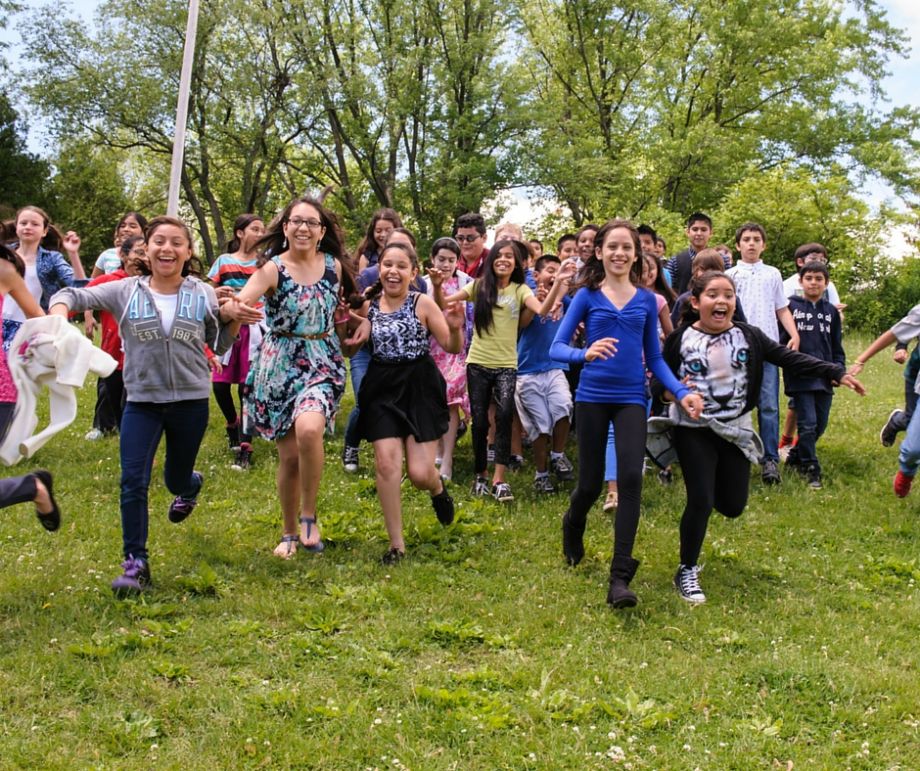
Nuestro Mundo Community School was started in 2004 through a grassroots effort to create a dual language immersion school built on the fundamentals of integration and inclusion that would improve academic achievement of underserved Latino students. This year, they plan to partner with Rooted to bring hands-on urban agriculture education to the K-5th grade students. The education program will enhance the school’s current curriculum and advance social and emotional wellness goals, improve nutrition, develop leadership, and connect students with local farmers. Additionally, Nuestro Mundo plans to incorporate fresh produce and protein into their weekend backpack snack program that serves more than 20% of the school population.
CRF funding is for a gardener-in-residence, garden education materials and supplies, and fresh produce for the backpack snack program.
OutReach LGBTQ+ Community Center: Upgrading the OutReach LGBTQ+ Community Pantry, $3,000
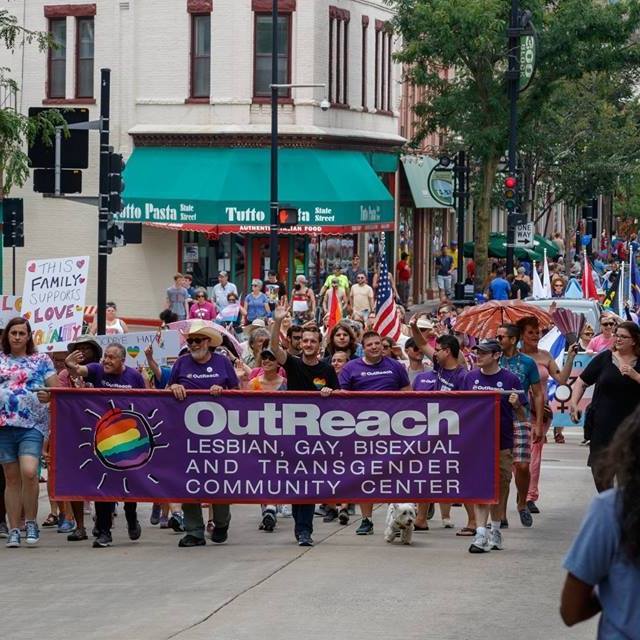
OutReach LGBTQ+ Community Center’s mission is a commitment to equity and quality of life for all LGBTQ+ people through community building, health and human services, and economic, social, and racial justice advocacy. They are currently working to increase their Community Pantry capacity to be able to stock more perishable foods and include hygiene essentials. They opened the pantry in 2020, and just last year they added a dedicated coordinator, a backstock storeroom, and Retail Recovery partnership with Second Harvest FoodBank. Their current limiting factor is the household-size fridge-freezer combo that forces them to turn away perishable donations when there is no more space. The commercial refrigerator will increase their capacity to accept perishable donations and get the food into the hands of their clients.
CRF funding is for a commercial refrigerator and food pantry staples.
Race Place Coalition: Make History Madison, $6,000
Established in 2022, Race Place Coalition (RPC) produces collaborative public humanities projects to support efforts to reconcile land injustices in urban and rural areas, with a particular focus on racial disparities. Make History Madison is a partipatory history project aimed to inspire community members, especially from marginalized neighborhoods and across cultural divides, to see themselves as part of the fabric of Madison’s past, present, and future. First, participants will build a crowd-sourced history of Madison and its land, researched, remembered, and written by local residents recalling their own stories about specific locations. Then, participants will host Make History Madison events this summer where they will share their findings and lead attendees in local conversations about each place’s past, present, and future.
CRF funding is for resident liaisons, workshop facilitators, story collection and research, neighborhood research and historical contributions, design and integration of archives into the mapping system, food for events, and outreach.
Schenk Elementary Parent Teacher Organization: Schenk Elementary School Garden, $4,900
One of the primary goals of the Schenk Elementary PTO in recent years has been to establish and maintain a Schenk School Garden, providing both volunteer support and funding for the garden infrastructure, as well as a garden educator who incorporates the garden into the school curriculum. The PTO recognizes that spending time in the garden provides many opportunities for socioemotional and academic growth, and they want each of the school’s 400 students to have an opportunity to engage with the school garden.
CRF funding is for the garden educator, garden beds, and lumber.
Vera Court Neighborhood Center: VCNC Community Garden Engagement Project, $5,000
Vera Court Neighborhood Center is located on Madison’s north side, and they offer youth programs, a monthly food pantry, a bilingual early childhood development program, adult classes, community meals, resource navigation, and case management. They developed a community garden to provide the space, tools, and knowledge to strengthen food security, provide garden and nutrition education, and decrease food waste in their community. The garden has 32 plots available for community members to rent and grow their own food. This growing season, they will launch the Community Garden Engagement Project that will include a youth garden club, workshops on composting, sustainable gardening techniques, produce preservation, and classes on cooking and nutrition.
CRF funding is for garden supplies and instructor fees.
WayForward Resources: Meal in a Bag, $5,000
WayForward Resources’ mission and vision is to bring their community together to create food and housing security through action and advocacy for families, children, and individuals. They work with more than 15,000 people annually through their food access and housing stability programs. They are now running a pilot program based on their clients’ feedback to offer a curated “Meal in a Bag” with recipes and ingredients that can assist in their meal planning. They recognized that the offerings available for their delivery clients did not always allow them to make a complete, nutritious meal or meals that incorporate ingredients used in their culture. The Meal Bag will be in addition to the ingredients that the meal delivery clients can select from a menu. WayForward Resources also plans to supply recipe cards that are budget-friendly, include a shorter list of ingredients, and follow nutrition guidelines—in English, Spanish, or Russian, depending on the clients’ preference.
CRF funding is for 500 meal bags.
Rooted In Our Community Award Recipients
ASE Co-operative: Cold Storage, $10,000
ASE Co-operative was founded in 2023 by three Black LGBTQ+ farmers and land stewards with a shared commitment to building food sovereignty through culturally rooted care. ASE pairs food production with community programming that makes healthy, natural foods feel attainable and familiar. They also host intercultural programming in partnership with neighborhood organizations to build connections across communities and create shared space for learning about the local food system, food access, and culturally rooted healing. Their growing farm has outgrown their one household-size refrigerator, and they are now planning to install a reliable cold storage container that will allow them to safely store harvested produce and reduce preventable food waste. With adequate cold storage, the founding farmers expect they can open the farm incubator space up to as many as seven farmers to participate in farming with this infrastructure already in place, thus removing the barrier of having to purchase expensive equipment.
RIOC funding is for cold storage.

Bikes for Kids Wisconsin: Meals on 2 Wheels: $7,500
Bikes for Kids Wisconsin transforms lives by making bicycle-based transportation accessible to those facing economic and transportation barriers. They provide not only bikes but also education, maintenance training, and long-term bike support. This year, they plan to launch “Meals on 2 Wheels,” a bicycle delivery service bringing groceries from local food pantries to the pantries’ clients. Bikes for Kids Wisconsin has a robust network of volunteers who can support a network of 30 dedicated volunteer delivery riders for Meals on 2 Wheels. The delivery riders will be on e-bikes and cargo bikes with trailers, each delivering 80-320 pounds of groceries. Their goal is to deliver 1,900 pounds of food weekly for a total of 38,000 pounds of food annually, all with zero carbon emissions. Their first food pantry partner is The River, and they have plans to expand to additional sites in the future.
RIOC funding is for the bike fleet.
Madison Northside Planning Council: FEED Kitchens Cookware Refresh, $2,500
In 2013, Madison Northside Planning Council (NPC) opened FEED Kitchens as a shared kitchen food business incubator. From FEED Kitchens, NPC also operates the FEED Bakery Training Program and Healthy Food for All, a food recovery program. After 12 years in operation, and with 75 commercial businesses using the shared space, the cookware has seen heavy use and is showing its wear. Start-up businesses depend on access to these resources for their production, and part of FEED Kitchens’ mission is to supply these baseline supports for food business entrepreneurs while they work to build their business. Therefore, FEED has determined it’s time to replace the worn equipment.
RIOC funding is for cookware, a locking tool cabinet, and tools.
Congratulations and Thank You!
Congratulations to the winners of this year’s grants, and thank you to all organizations that applied—you’re all doing important work in our communities! Thank you to this year’s grant review committee; Board members Tatiana Dennis and Isabel Freinkel, Owners-At-Large Karen Crossley, Harper Hazelmare, and Kirsten Moore; Customer Experience Manager, Kristina Kuhaupt; and Education and Outreach Coordinator, Liz Hawley.
And of course, a special thank you goes out to all of our Owners, past and present, who make this funding possible.