By: Lily Varilla, GHC Marketing and Communications Coordinator
Every day, millions of people are affected by food allergies, with reactions ranging from mild to severe. This means that many must navigate challenges in finding accessible, safe foods to eat. Regardless of whether you’re a parent, a food service professional or someone who enjoys hosting social gatherings, it is essential to understand allergens and practice safety to create inclusive, welcoming environments for all.
What Are Food Allergens?
Food allergens are proteins found in certain foods that trigger an immune response in individuals who are sensitive to them. When someone with a food allergy consumes even a small amount of an allergen, their immune system mistakenly identifies it as harmful and reacts aggressively.
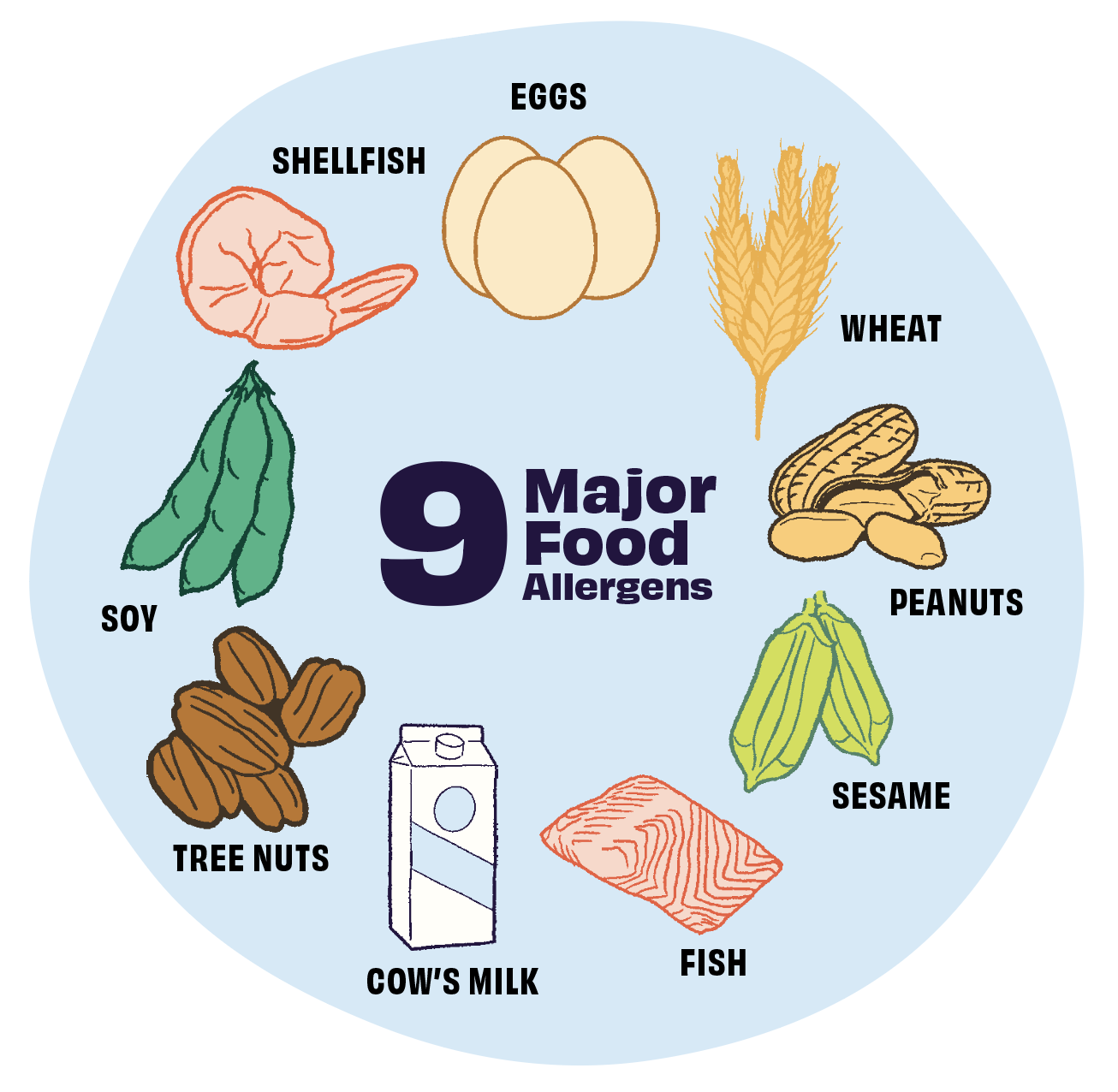
The most common allergens, often referred to as the “Big 9,” include:
- Cow’s milk
- Chicken eggs
- Peanuts
- Soy
- Wheat
- Fish
- Tree nuts (such as walnuts or pecans)
- Shellfish (such as shrimp, lobster, or crab)
- Sesame
Under the Food Allergen Labeling and Consumer Protection Act (FALCPA), these allergens are required to be clearly labeled on foods regulated by the FDA. Products will either include the name of the allergen in the ingredients list or with a “contains” statement after the ingredients list. The USDA also requires allergen labeling for meat, poultry, and egg products.
Risk Factors for Food Allergy
Several factors may increase a person’s risk of food allergies, though they may not always be direct indicators.
Existing Allergies: Having other allergies, such as pollen or dust allergies, is considered a higher risk indicator for developing food allergies. This is because allergic conditions often share underlying immune system sensitivities. Individuals with environmental allergies may have an overactive immune response, making them more prone to reacting to certain proteins in foods (Food Allergies: Causes, Common Examples & Cures – Cleveland Clinic).
Eczema: Eczema, a chronic skin condition, is the strongest predictor of food allergies. Children with moderate to severe eczema are at significantly higher risk than those with mild or no eczema. Scientists believe that allergens may enter the body through broken skin, triggering an immune response that misidentifies food proteins as harmful. Both eczema and food allergies have become more common in recent decades, suggesting a strong connection.
Genetic Factors: Genes play a significant role in the development of food allergies. Ongoing studies aim to understand better how inherited traits interact with environmental factors (Food Allergies: Causes, Common Examples & Cures – Cleveland Clinic).
To note, there have been studies that suggest that infants may benefit from early exposure to allergens; however, with any dietary change, you should consult with your physician beforehand.
Understanding Allergic Reactions
Food allergy reactions happen when our immune systems mistakenly identify a harmless food protein as a threat to the body. The immune system creates IgE antibodies which tell mast cells to release chemicals like histamine, which can cause a range of symptoms:
- Mild Symptoms: hives, itching, swelling, and stomach discomfort.
- Moderate Symptoms: vomiting, diarrhea, coughing, and wheezing.
- Severe Symptoms (Anaphylaxis): difficulty breathing, weak or rapid pulse, and dizziness/fainting.
Note: If you or someone near you is experiencing symptoms of Anaphylaxis, call 911 for emergency assistance. Anaphylaxis requires immediate epinephrine treatment (such as an EpiPen) and immediate care. Reactions can escalate quickly!
Why Food Allergy Awareness Matters
Food allergies are not just a personal health issue—they’re a public safety concern. According to Mayo Clinic, food allergies affect an estimated 8% of children under age five and up to 4% of adults. While some children outgrow their allergies, many live with them throughout their lives. There is currently no cure for food allergies, which means prevention and preparedness are the best tools we have.
According to the CDC, there was an 18 percent increase in the incidence of food allergy among children under 18 between 1997 and 2007 in the United States (Why Food Allergy is a Priority for NIAID – National Institute of Allergy and Infectious Diseases). Though NIAID researchers have identified several risk factors for developing food allergies, scientists have not found a cause for this rise in food allergy prevalence. Find the latest statistics at the Centers for Disease and Prevention.
Beyond physical risks, food allergies can also add emotional stress. People with allergies can feel anxious about eating outside their homes, attending social events or trusting food labels. On the importance of food allergy awareness, Amanda Hesse, a Registered Dietician at GHC-SCW shares, “With more people willing to build awareness and practice simple habits, we can create a safer and more inclusive environment for individuals living with food allergies. Every step we take to learn more about food allergens can help prevent accidental exposures.”
Safety Strategies for People with Food Allergies
- Check Food Labels Carefully: Manufacturers often update recipes, so products should not be assumed safe based on prior experience. Look for advisory statements like “may contain” or “processed in a facility that handles” allergens.
- Prevent Cross-Contamination: Cross-contact occurs when allergen proteins transfer from one food to another. To prepare a truly allergen-free dish, use separate, clean utensils, cutting boards, and cooking surfaces. Remember to wash your hands frequently and thoroughly before and after handling food.
- Communicate Clearly: In restaurants or social settings, inform staff or hosts about allergies. Clear communication can prevent accidental exposure. If you’re hosting, ask guests about dietary restrictions in advance and share ingredient lists when possible.
- Keep Emergency Medication Accessible: For people with severe food allergies, it is essential to carry an epinephrine auto-injector (EpiPen). Make sure family and friends know how to use it in case of an emergency.
Barriers People with Food Allergies Face
People living with food allergies must navigate a world that isn’t designed with allergy safety in mind. Understanding the structural and social challenges is a first step toward building a more inclusive and supportive environment.
Limited Food Options
One significant challenge is the lack of safe food options. Restaurants, school cafeterias, and catered events often feature menus that include common allergens such as dairy, nuts, or gluten. Even when allergen-free options exist, they may be limited, bland, or prepared without proper safety measures. At times, individuals may feel excluded from the event or be forced to bring their own food, which can be inconvenient and isolating. It’s helpful when people consider the range of dietary needs, especially when they may differ from their own.
Inconsistent Labeling
While packaged foods in many countries are required to list major allergens, labeling practices can still be confusing. Advisory statements such as “may contain” or “processed in a facility that handles allergens” can vary by manufacturer. With vague labels, shoppers are left to make stressful judgement calls. Inconsistent labels make it difficult for consumers to accurately assess risk and feel confident about their choices.
Social Pressure and Misunderstanding
Food can play a central role in social life, often included in events like family gatherings and workplace outings. Unfortunately, people with allergies can face skepticism or misunderstanding about the seriousness of their dietary restrictions. Comments like “a little won’t hurt” or “just pick it out” can feel dismissive and, at times, put people with allergies in danger. Situations like these can make individuals feel as if they must constantly explain or defend their needs.
Cross-Contamination Risks
Even when allergen-free options are available, cross-contamination remains a significant concern. Shared utensils, cutting boards or fryers can transfer allergen proteins to otherwise safe foods. Especially in busy kitchens or high-traffic setups, there is an increased risk of cross-contamination of food allergens. These small lapses can result in a severe reaction for someone with a severe allergy. Even a trace amount can trigger a reaction.
Lack of Information while Traveling or Dining Out
When dining out, it can be difficult to find restaurant menus that list detailed ingredient information or cross-contamination risks. Some staff members might not be trained in allergy safety and cannot offer honest, accurate tips on the restaurant’s dish and preparation. As a result, many individuals with allergies may have to spend extra time researching restaurants or carrying emergency snacks to ensure they have something safe to eat.
Helpful Considerations for More Inclusive Dining
Prepare Inclusive Menus
When planning your menu, offer a diverse range of dishes including some that are free from common food allergens (nuts, dairy, gluten, shellfish, etc.). When setting dishes out, you can add a simple label that lists ingredients and allergens. You can also assign separate serving utensils for each dish to prevent cross-contamination. In her article on page 8, Kristina Kuhaupt suggests some substitutions that can be made for common allergen ingredients.
Plan Early and Communicate Clearly
Whether you’re planning a small get-together with friends or a large event, ask your guests about any dietary restrictions or preferences. Asking early can help avoid last-minute surprises and ensure each guest feels welcome. If any attendees have known food allergies, you can kindly share information on the basics of food allergies and safe handling tips. At the event, double-check ingredients and recipes before you serve them.
Final Thoughts
Food allergies are more than an individual concern; they’re a community responsibility. We all play a role in helping to build more inclusive dining experiences! From proactive communication to safe food handling, every person can contribute to increasing community understanding of food allergies.
Further Reading on Food Allergens
Food Allergy Research & Education: foodallergy.org. Offers resources for newly diagnosed individuals, emergency care plans, and resources for community spaces.
U.S. Food and Drug Administration (FDA): www.fda.gov/food/nutrition-food-labeling-and-critical-foods/food-allergies. Provides official guidance on allergen labeling, food regulations, and safety practices. Includes FAQs and updates on food allergen laws.
Centers for Disease Control and Prevention (CDC): https://www.cdc.gov/school-health-conditions/food-allergies/publications.html. Provides voluntary guidelines, emergency care plans, and toolkits for food allergies in schools and early care programs.
USDA Food and Nutrition Service: www.fns.usda.gov/fs/food-allergies. Provides resources like fact sheets and tips for child care and school meal programs.
Kids With Food Allergies (Asthma & Allergy Foundation of America): https://kidswithfoodallergies.org/. Features allergy-friendly recipes, educational webinars and community support for families managing food allergies.
FoodSafety.gov: https://www.foodsafety.gov/blog/categories/allergies-food-intolerances. Offers consumer-friendly guidance on avoiding food allergy reactions and understanding labeling requirements.
Guidelines for Early Food Introduction and Patterns of Food Allergy: https://publications.aap.org/pediatrics/article/156/5/e2024070516/204636/Guidelines-for-Early-Food-Introduction-and
Allergen Inside: allergeninside.com Find allergy friendly products by name, brand, or description.
About Group Health Cooperative of South Central Wisconsin
Proudly serving over 68,000 members, Group Health Cooperative of South Central Wisconsin (GHC-SCW) is Wisconsin’s first and Dane County’s only member-owned, non-profit health care cooperative, ensuring patients and members are at the top of the leadership chart, giving them a voice in their health care. Services extend across greater Dane County and select areas in South Central Wisconsin, offering insurance coverage and clinical care. To learn more about GHC-SCW, visit ghcscw.com.
Allergy friendly at Willy Street Co-op
If you’re packing school lunches or navigating food allergies, keep an eye out for “School Friendly” or “School Safe” icons on product packaging. These labels indicate items made in peanut- and tree nut-free facilities, helping make snack and meal planning a little easier. Below, you’ll find a selection of products that feature these icons or are clearly labeled free from common allergens, including the top 9.
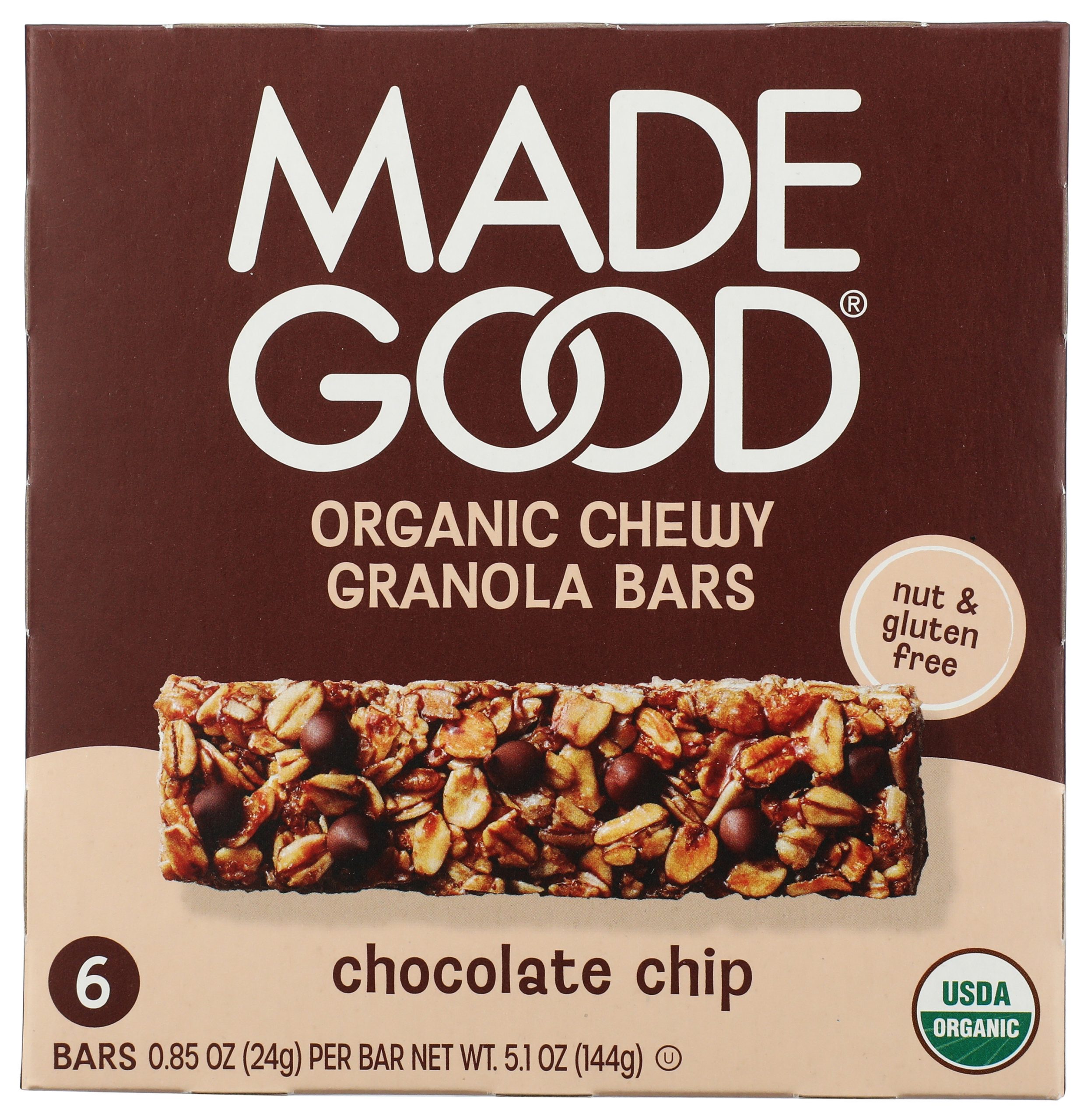 Chocolate Chip MadeGood Granola Bars
Free From Top 9 Allergens” label.
Free2B Sunbutter Cups
“Allergy Friendly” label. Available at Willy North.
Hippeas Chickpea Puffs
“Free From Top 9 Allergens” label.
Gingersnap Partake Cookies
“Free From Top 9 Allergens” label. Available at Willy North and Willy West.
 Drizzilicious Mini Rice Cakes
“Allergen Free” label. Available at Willy North and Willy West.
Nature’s Bakery Fig Bars
Vegan, Dairy-Free, and Nut-Free labels.Selection varies by store.
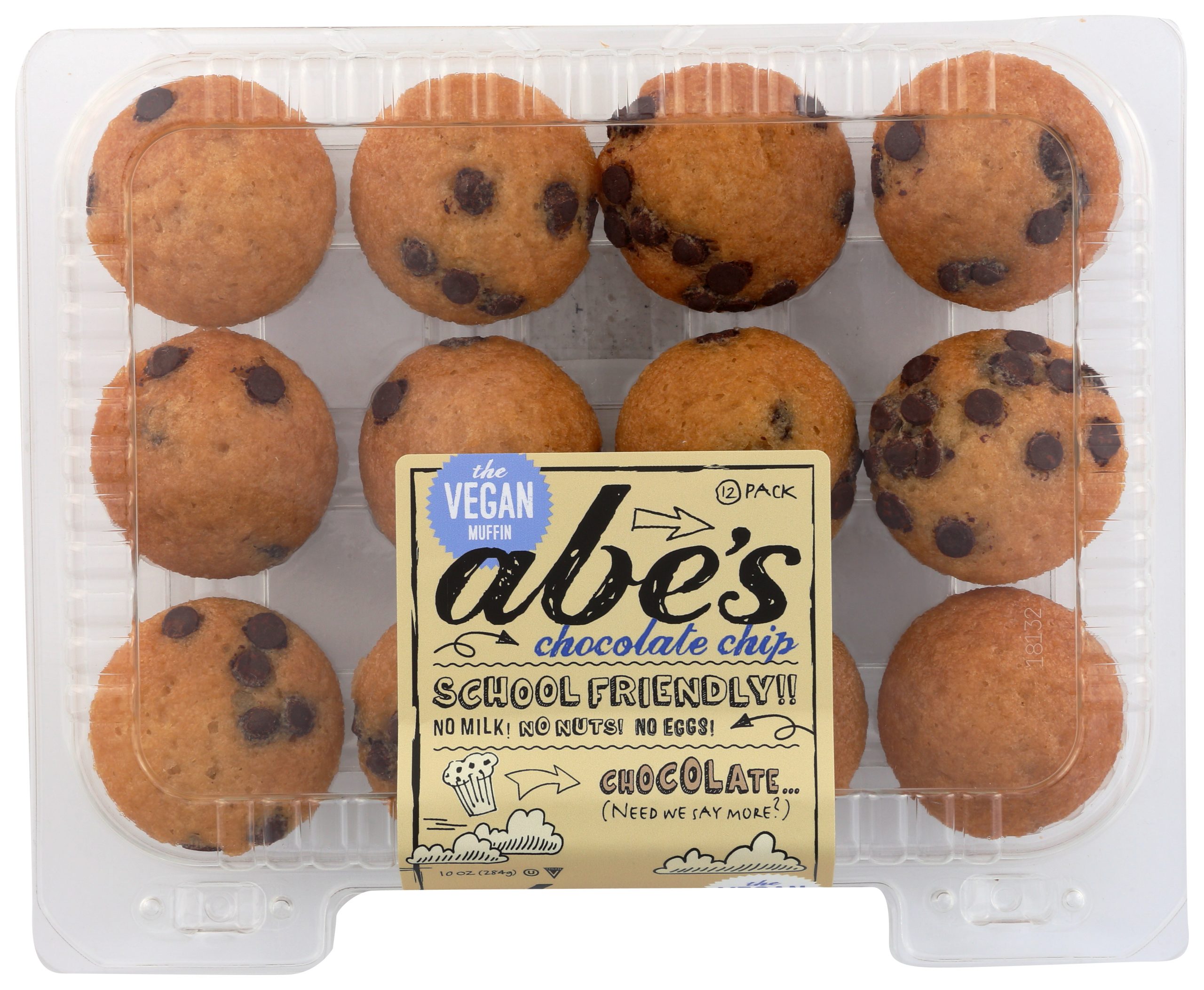
Abe’s Chocolate Chip Mini Muffins
“School Friendly” label.