By: Briaunna Konz, Marketing and Communications Specialist at GHC
Hormones are constantly changing throughout life, shaping both physical and emotional health at every stage. From puberty and pregnancy to perimenopause, these hormonal shifts play a key role in how people feel, function, and care for their bodies. Understanding how hormones change over time can help people better recognize symptoms, support their health, and know when to seek care.
Key Hormone: Estrogen
One of the most well-known hormones, estrogen, plays a key role in cardiovascular and brain function in everyone. Levels of estrogen can affect multiple systems and functions of the body, including the brain (cognitive function and mood), skin and hair production, bone mineral density and joints, cholesterol and blood vessel function and the reproductive system (i.e. menstrual cycles and sexual development).
People across the gender spectrum may experience hormonal changes most often associated with the female reproductive system. Similarly, some people assigned female at birth choose to undergo hormonal therapies to alter their physical, mental, and emotional hormonal experiences. Some transgender men or nonbinary people may have menstrual periods, become pregnant, and go through menopause.
Hormonal Changes During Pregnancy
Pregnancy affects everyone differently. While some pregnancies cause many hormone-related symptoms, others may result in very few. These differences are primarily driven by individual hormonal changes, which vary from person to person. Several key hormones play essential roles during pregnancy, supporting both the developing baby and the body’s changes.
Human chorionic gonadotropin hormone (hCG) – This hormone is only present during pregnancy. It is produced only in the placenta, which plays a vital role in providing oxygen and nutrients to the baby while removing waste. The rise in this hormone during the first trimester may contribute largely to the nausea and vomiting experienced during the beginning of a pregnancy.
Human placental lactogen – The placenta also makes this hormone and is the direct source of nutrition for the baby. It stimulates milk production for breastfeeding/chestfeeding.
Estrogen – Formed in the ovaries, estrogen levels increase during pregnancy and are also produced by the placenta to help maintain a healthy pregnancy. Estogen supports fetal development by helping to expand the uterus and maintain the uterine lining, while stimulating the growth of breast tissue and preparing the body for breastfeeding/chestfeeding. Enhanced blood circulation and oil production in the skin is also caused by the rising levels of estrogen.
Progesterone – Like estrogen, this hormone is also created in the ovaries and placenta during pregnancy. Progesterone levels increase in anticipation of a fertilized egg, where it will stimulate the thickening of the uterine lining. If pregnancy doesn’t occur, this is when progesterone levels drop, leading to the shedding of the uterine lining and the beginning of menstruation (periods). Nausea in early pregnancy can also be caused by the rising levels of progesterone.
Relaxin – Another hormone produced by the ovaries and the placenta, relaxin loosens and relaxes muscles during pregnancy to allow the body to stretch and support the growth of the child. This can also lead to achy joints and occasionally, the feeling of instability.
Many hormone-related symptoms are a regular part of pregnancy and do not usually require medical attention unless they become severe, persistent, or interfere with daily activities. Some symptoms that are typical and shouldn’t raise concern include:
- Mild nausea or occasional vomiting
- Swelling of the feet or ankles, especially later in pregnancy
- Fatigue
- Breast tenderness
- Mild headaches
- Mood changes
- Increased urination
- Hip joint soreness
Many pregnancy symptoms are typical and expected. However, if symptoms are severe, sudden, worsening or causing significant discomfort, it’s essential to contact your health care provider. Your provider can help determine what’s normal and when additional care is needed. The following symptoms should be reported to a health care provider as soon as possible:
- Severe or persistent nausea and vomiting that makes it hard to keep food or fluids down
- Sudden or severe swelling of the face, hands, or feet
- Heavy vaginal bleeding or leaking fluid
- Severe abdominal pain or cramping
- Severe headaches, vision changes, or dizziness
- Chest pain or shortness of breath
- Contractions
If you’re unsure whether the symptoms you are experiencing are typical, reach out to your provider to express your concerns. Asking questions early can provide reassurance and help ensure both you and your baby stay healthy. You and your provider can discuss treatment options to help with any symptoms you may be experiencing.
After giving birth, people enter a stage called postpartum, when hormones undergo another set of significant changes. Some return to pre-pregnancy levels, while others increase to support the child during breastfeeding/chestfeeding.
Estrogen – Levels of estrogen drop significantly after birth, which can cause feelings of sadness, fatigue or mood swings. As mood and energy levels change, some people may experience postpartum depression. Symptoms of postpartum depression can include persistent sadness, feeling overwhelmed, guilt, anxiety, chronic pain and changes in appetite. It is common for people to experience “baby blues” for a few weeks after pregnancy. However, symptoms that last longer than a few weeks, become severe or include thoughts of self-harm or suicidal ideation should be addressed with a health care provider. Some people with a history of mood disorders may consider starting medication before delivery to allow time for it to enter their system and help treat or prevent postpartum mood concerns. Always contact your provider before starting new medications.
Progesterone – Levels of progesterone decrease quickly after birth as well, potentially causing irritability or mood swings.
Prolactin – This is the hormone that increases after giving birth to support milk function. Each time the baby breastfeeds or chestfeeds, levels rise which can lead to feelings of fatigue or dehydration.
Oxytocin – Often referred to as the “love hormone,” oxytocin promotes emotional connections. Levels increase after giving birth, supporting bonding with the baby and triggering the milk ducts to push milk through the breast or chest to feed the baby.
Changes in these hormones after giving birth can lead to a variety of symptoms, and each person’s experience may look different. Postpartum symptoms can include:
- Bladder changes
- Body aches
- Cramping
- Breast engorgement (buildup of milk)
- Sore breasts
- Mood swings
- Fatigue
Perimenopause, Menopause, and Post-Menopause
After pregnancy, menopause is another significant stage when hormonal changes can significantly impact the body. Menopause is the time when people with menstrual periods have gone 12 consecutive months without a period, meaning their menstrual cycles permanently stop. This marks the natural end of reproductive years, and they can no longer get pregnant. It’s a normal stage of aging that everyone who has menstrual periods goes through and can be broken into three phases: perimenopause, menopause, and post-menopause.
Perimenopause
The time leading up to menopause is called the menopausal transition, more commonly known as perimenopause. Perimenopause often starts between 40-50s, which is considered the average age range. While uncommon, perimenopause can begin earlier, with very rare cases starting in the mid-30s. The timing and length of perimenopause varies from person to person and can extend into the mid-50s. It can begin eight to ten years before menopause and most often lasts several years, though for some women it may be shorter and last only a few months.
During this time, significant hormonal changes happen that can lead to various symptoms. Sometimes these symptoms can be uncomfortable physically and emotionally. Symptoms vary from person to person in type and severity. Some of these include hot flashes, night sweats, having trouble sleeping, forgetfulness, joint and muscle discomfort, and irritability. Since everybody is different, menopause may result in a combination of these symptoms, or some may experience symptoms at varying times.
Menopause is not a disease, so there’s no way to prevent it. It is a natural stage of life. However, lifestyle changes, hormone therapies, or medications may help reduce symptoms. When discussing treatment options, providers focus on managing symptoms rather than hormone levels. Routine hormone testing—such as for estrogen, progesterone, or testosterone levels—is rarely conducted because these numbers do not reliably guide care. Anyone who is concerned about menopausal symptoms or who experience symptoms to a concerning degree should speak with their health care provider to talk through options that may help.
Menopause
Menopause is the distinct, defining moment when menstrual periods end. Health care providers diagnose menopause when someone has gone 12 consecutive months without getting a period. At this time, the ovaries are no longer producing or releasing eggs, and estrogen levels decrease further.
While the average age when menopause happens can vary it typically is between ages 45 to 55, but not everyone has the same experience. Menopause experienced before age 45 is regarded as early menopause. When menopause occurs at an even younger age, at 40 or below, it is considered premature menopause. Both can happen due to a variety of reasons, including different surgeries to remove the ovaries or uterus, medicines taken, health conditions, or treatments for conditions like chemotherapy or radiation, family history, or for no apparent reason at all. Those who experience early or premature menopause are more likely to have a higher risk of serious health problems, more severe menopause symptoms and sadness or depression. Talk with your health care provider if you think you may be reaching menopause early.
Post-Menopause
Post-menopause is the time after menopause when menstrual periods have permanently stopped. This is the end stage of menopause. This is also the time when most, or all, symptoms of perimenopause and menopause ease up, or potentially go away. However, some people can continue to have mild symptoms for several years in the post-menopausal stage. Due to the low levels of estrogen, people in this phase are at an increased risk for osteoporosis, a disease that weakens bones, making them thinner and easier to fracture, and heart disease. Most providers will still refer to this stage as menopause when discussing symptoms and supportive care.
Mental Health Changes and Available Support
Hormonal changes from puberty to pregnancy, after childbirth, and menopause can all affect mental health. Many people during these natural life changes can feel isolated or emotionally drained. Focusing on mental health and seeking help when needed are extremely important during pregnancy and perimenopause. A few of these mental health changes or symptoms include feeling sad, feeling a mood or energy shift, trouble sleeping or sleeping too much, anger or irritability, headaches, body aches, stomach problems, and more. Just as people’s bodies and timelines differ, so do the challenges each person faces.
There are many online and local resources available in the Madison and Dane County area to support people through life stages when hormonal changes affect both physical and mental well-being. If you have symptoms or concerns, talking with your primary care physician can help you explore options that are right for you. If you need additional mental health support, confidential help is available through the resources listed below.
NAMI Dane County – Offers peer-led support groups for various needs, including women’s mental health, family support, and more (no cost to participants). www.namidanecounty.org/support
211 Helpline (United Way) – Call or text 211 any time to be connected with social services and mental health resources in Dane County.
Wisconsin Women’s Health Foundation – A nonprofit focused on women’s health and wellness education, which can include information on menopause and midlife transitions. They have various programs, news articles and events to learn more and find support. www.wwhf.org/about
Planned Parenthood – Planned Parenthood offers support throughout all hormonal stages and providers gender affirming care, including hormone therapy. besafewi.org
Golden Vibes Counseling – Provides support for children, teens, adults, and couples. They offer a wide range of therapy approaches and work with patients to find the best fit for them. www.goldenvibescounseling.com
There are also peer support groups and online communities available through different online platforms that connect people going through the same stages of life. This is a great way to share experiences and learn from those who are going through the same things.
Along with seeking a support system, there are daily tips everyone can follow to help their mental health throughout their everyday lives.
- Get regular exercise – Exercise is a great way to release endorphins, a natural hormone that helps relieve pain, reduce stress, and improve mood.
- Eat healthy foods – This can be difficult in colder months, when fresh fruits and veggies aren’t as readily available. Find in-season produce such as Brussels sprouts, kale, and sweet potatoes to create new recipes that combine healthy eating with foods you love.
- Drink lots of water and stay hydrated.
- Try meditation practices – Meditation or other calming activities help you be more present and calm your nervous system. There are many online resources and tools to follow meditation practices or take up calming activities, such as yoga.
- Set realistic goals – Having goals for working out, changing mindsets and improving mental health is super important, but you have to make them realistic and easy to achieve.
Remember, building these habits and achieving these goals will take time, and there may be setbacks along the way. Lean on a friend or loved one to help with motivation.
Hormonal changes are a regular part of life, and each experience is unique. There is no right or wrong experience, and it’s okay not to know what is happening to your body as the changes begin. Learning and understanding these changes can help you feel more prepared and empowered as your body undergoes them. Always remember that health care providers are there to support you through every stage of life.
Learn More:
- Menopause: What It Is, Age, Stages, Signs & Side Effects: my.clevelandclinic.org/health/diseases/21841-menopause
- Endorphins: What They Are and How to Boost Them: my.clevelandclinic.org/health/body/23040-endorphins
- Early or premature menopause | Office on Women’s Health: womenshealth.gov/menopause/early-or-premature-menopause
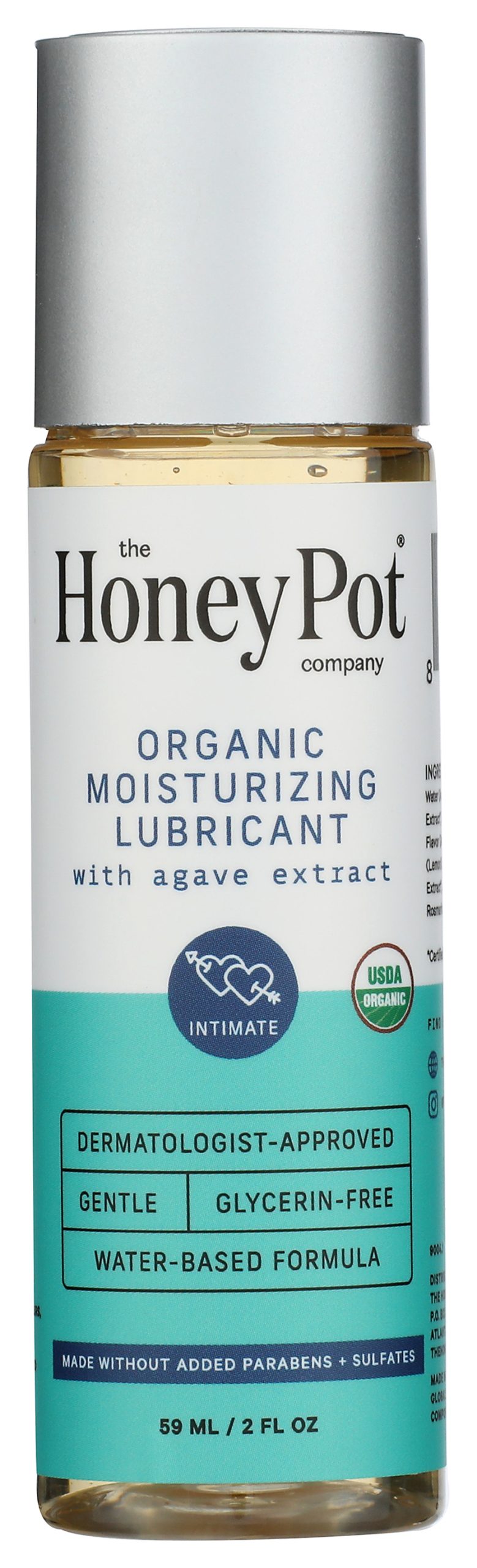
Topical Products at Willy Street Co-op:
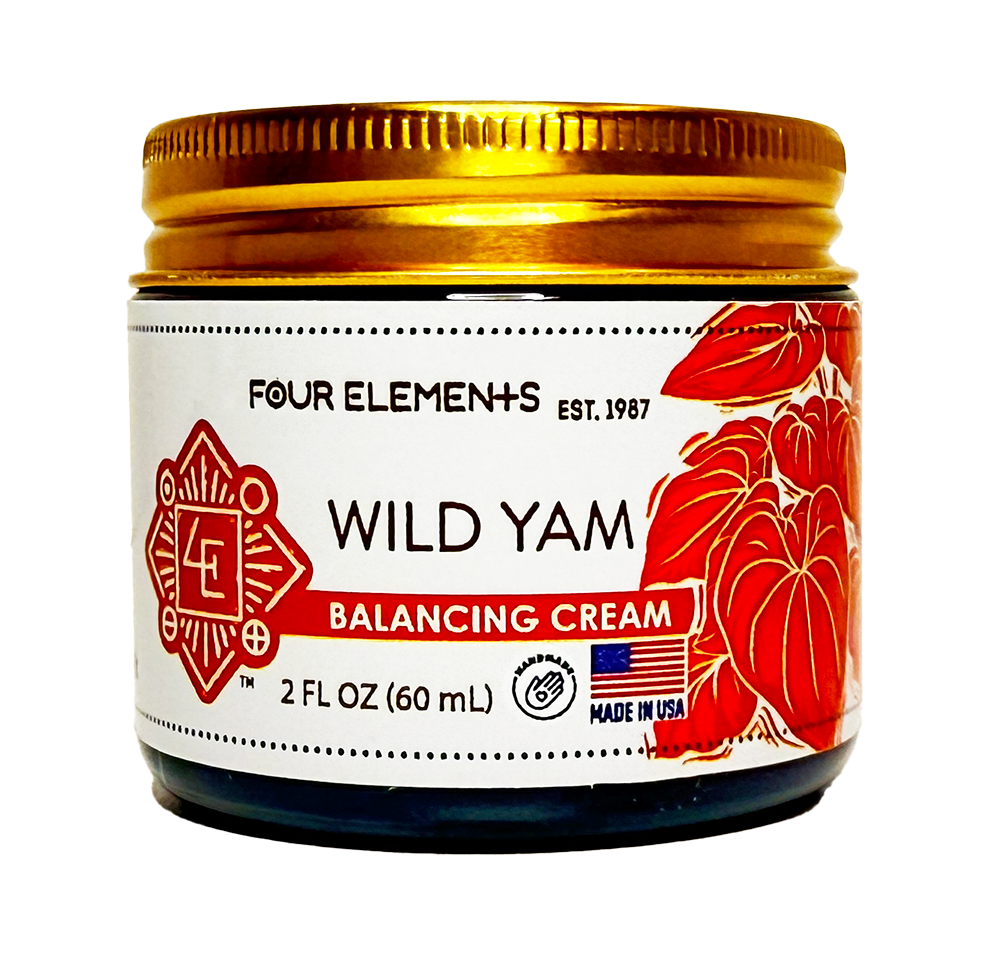 Four Elements Wild Yam Balancing Cream – Wild Yam Balancing Cream is formulated to support women during life’s natural transitions.
The Honey Pot Organic Moisturizing Lubricant
Organic Excellence Feminine Balance Therapy – Feminine Balance Therapy safely and effectively helps restore healthy progesterone levels to support natural hormonal balance and ease the symptoms associated with PMS, perimenopause, and menopause.
Supplements at Willy Street Co-op:
 Willy Street Co-op Organic Ashwagandha – Supports improved sleep quality, boosts memory, reduces stress and anxiety, and improves sexual function.
Oregon’s Wild Harvest Organic Chaste Tree
Gaia Herbs Vitex Berry – Used to help manage menopause symptoms like hot flashes, night sweats, mood swings, and sleep disturbances.
Oregon’s Wild Harvest Organic Black Cohosh – Used to alleviate menopause symptoms like hot flashes, night sweats and irritability.
Source Naturals Hot Flash – Available at Willy East & Willy West. Features soy, which is shown to help reduce the
frequency and severity of hot flashes. Also contains black cohosh, chaste tree, licorice and dong quai.
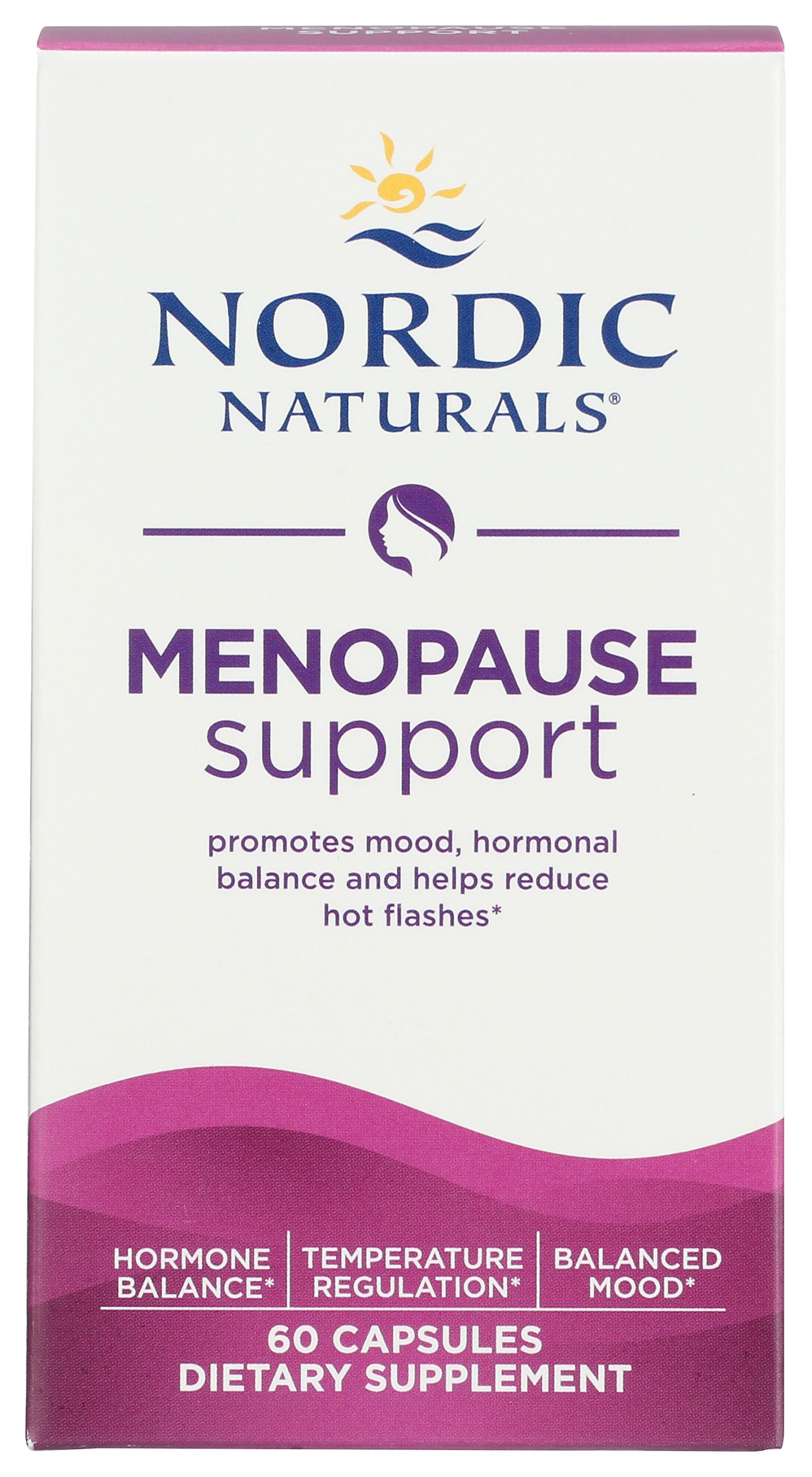
Nordic Naturals Menopause Support – Available at Willy East & Willy West.
Gaia Herbs Menopause Support Daytime – Available at Willy West & Willy North.
Natural Factors WomenSense MenoSense –Available at Willy West.