Seafood
Find responsibly sourced, fresh, sustainable and traceable options in our Seafood departments.
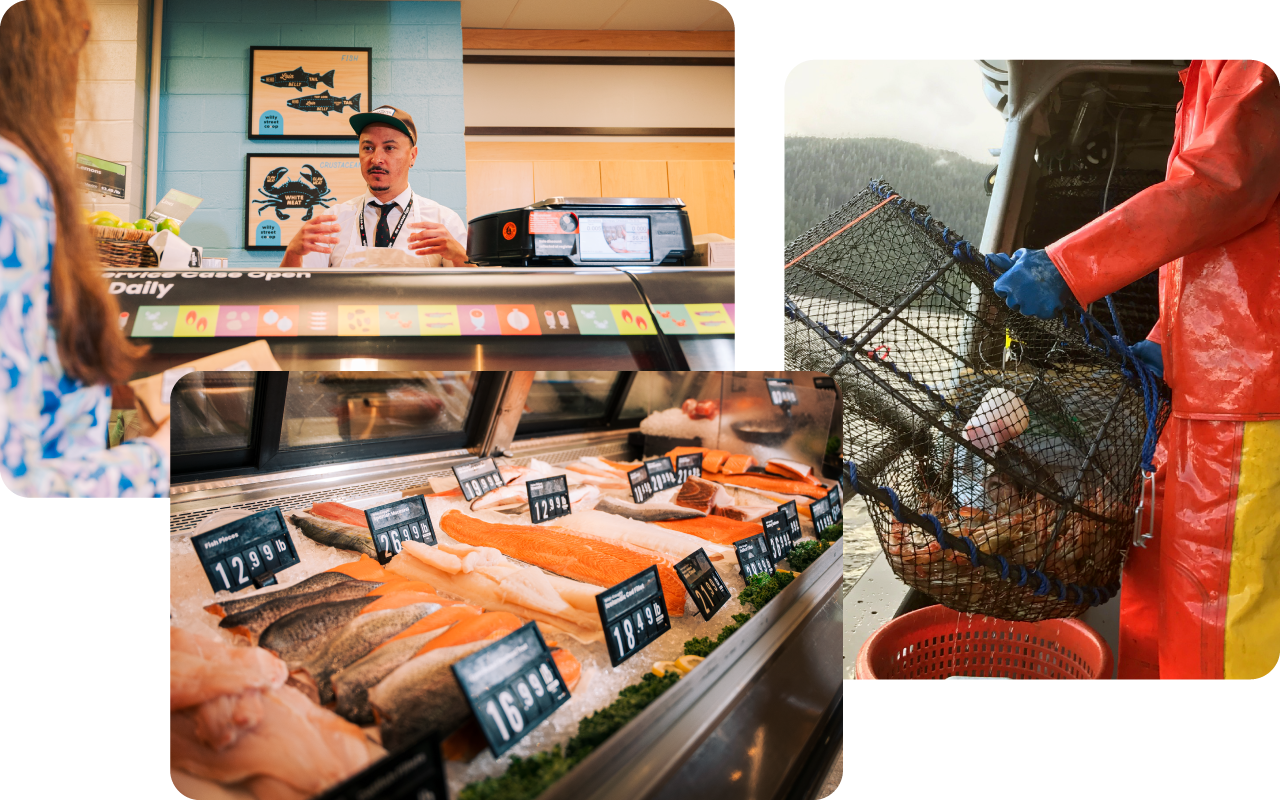
While each store carries a slightly different selection, you can always count on core favorites like Icelandic cod loins and wild-caught shrimp from Mississippi, sourced from trusted wild fisheries or aquaculture farms.
Looking for something specific? We’re happy to help with special orders! Just ask a Seafood department staff member in-store or give us a call.

Price
We know where our seafood comes from and are happy to share the information with customers. Just stop by the Seafood counters to ask!

Sustainable
We are committed to offering responsibly sourced options that protect ocean ecosystems and support fishing communities. By partnering with suppliers who follow sustainable practices—whether through well-managed wild-caught fisheries or carefully chosen farmed seafood—you help preserve marine life, safeguard habitats, and ensure fresh seafood for future generations.

Fresh
Freshness matters—not only for flavor, but for texture, quality and nutrition. That’s why we partner with trusted suppliers who ensure seafood is handled with care from harvest to store.
Our Standards
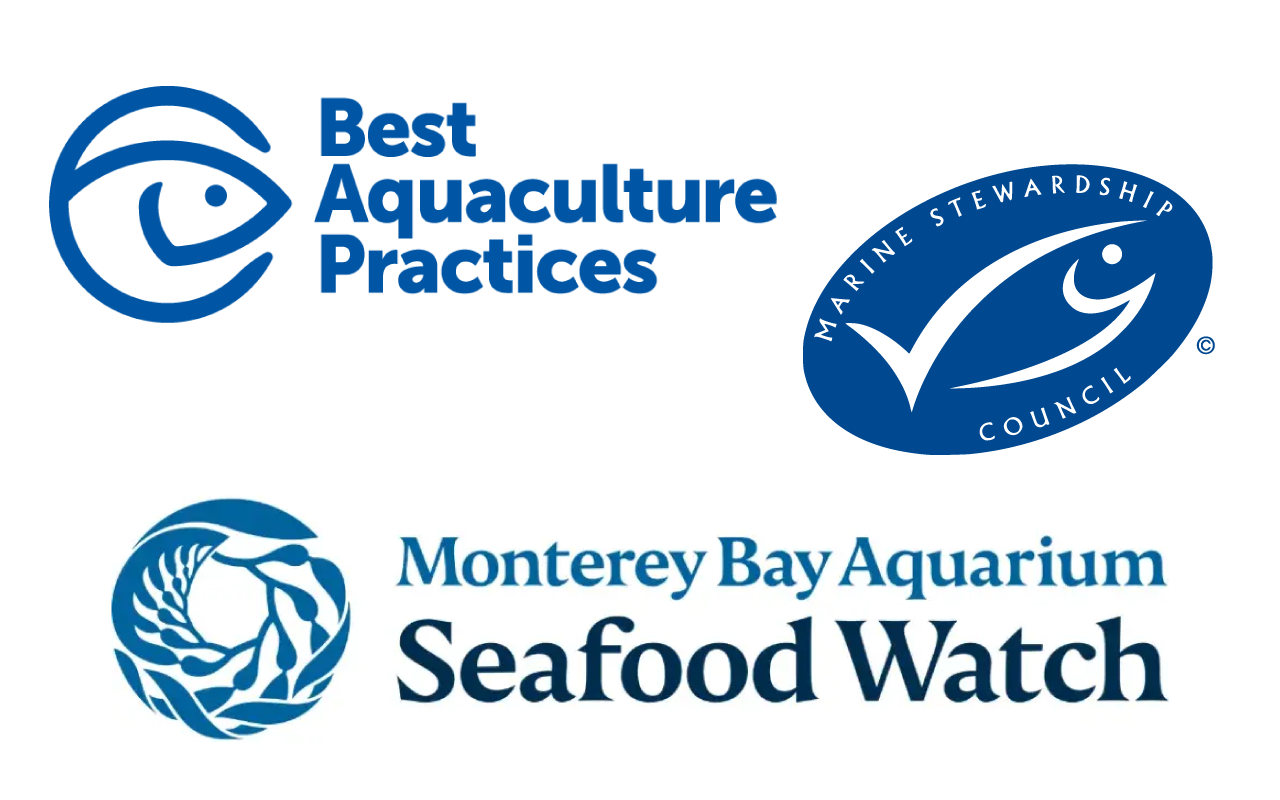
We rely on three trusted organizations to guide our seafood sourcing. The Marine Stewardship Council (MSC) fights overfishing and seafood fraud, and you’ll see their label on frozen fillets and canned tuna. Monterey Bay Aquarium’s Seafood Watch tool helps us (and our distributors) choose sustainable wild and farmed options—we only carry products with green (Best Choice) or yellow ratings (Good Alternative). Best Aquaculture Practices (BAP) certifies farmed seafood by auditing everything from environmental impact to animal welfare, and you’ll find their label on items like frozen shrimp and fish fillets.
Seafood Glossary
- Wild-Caught
- Marine animals that are harvested in their natural habitat. This can include oceans, lakes, or rivers.
- Farm-Raised
- Marine animals that are raised in controlled environments such as ponds, tanks, or ocean enclosures. This farming method is also known as “aquaculture.”
- Sustainable Fishing
- Leaving enough fish in the ocean to replenish the population; fishing in a way that respects other species and marine habitats; and managing the fishery in a way that can adapt to changing environmental circumstances and ensure people who depend on fishing can maintain their livelihoods.
- Overfishing
- Overfishing occurs when the fishing rate is higher than the rate at which fish reproduce and repopulate or when there are not enough adult fish left to breed and maintain a healthy population.
- Bycatch
- Fish or other marine species caught unintentionally during the fishing process. Bycatch is a serious issue especially when endangered, threatened, and protected (ETP) species such as turtles and dolphins are accidentally caught, injured, or killed. Referred to as “unwanted catch” in the MSC program.
- Omega-3s
- Fish is an excellent source of protein, while also being low in saturated fat, unlike many meat products. Fatty seafood, like salmon, is also a great source of omega-3 fatty acids. Omega-3s have many health benefits including improved heart function.
Tips for Selecting and Preparing Seafood
- Seafood should have a clean, light aroma and not a strong “fishy” or ammonia odor.
- Look for firm, translucent seafood and fish fillets that “bounce back” when pressed with a finger.
- Mollusks like clams, oysters, and mussels should have tightly closed shells that open when cooked. Discard any that remain closed after cooking.
- Use fresh fish within two days of purchasing. Freeze fish if you wish to store it longer.
- Cook fresh fish for about 10 minutes per inch of thickness; it is fully cooked when it flakes apart easily with the tip of a knife or fork.
- Follow proper handling techniques for food safety. Use dedicated surfaces to prep fish and seafood and after preparation, wash areas thoroughly with hot, soapy water. Be aware that shellfish is a common allergen that often causes severe reactions.
- Whole fish should have clear, not milky, eyes.